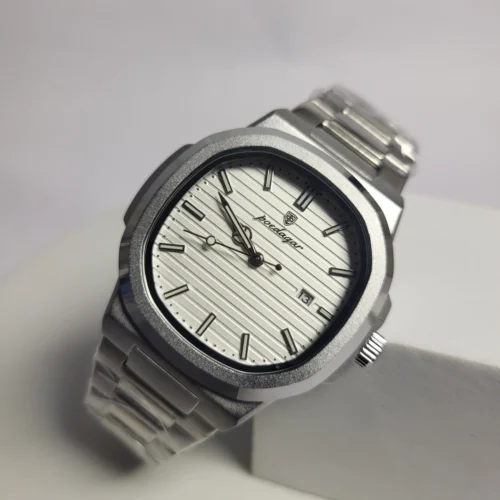
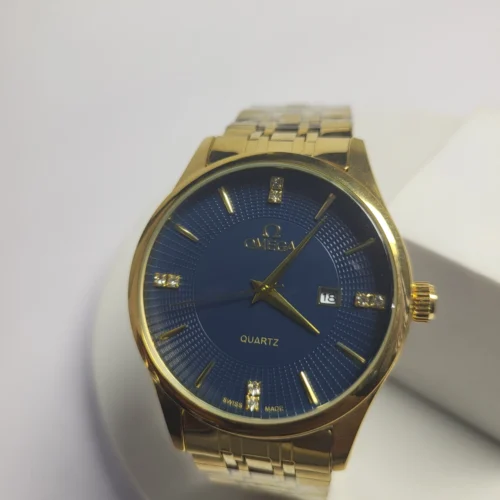
Your signature look is just a click away. Before you go, take a look at these exclusive markdowns on our top-rated wristwatches and designer eyewear.
Premium quality doesn't have to break the bank. Secure your favorite accessories today with safe bank transfers and reliable delivery across all 36 states in Nigeria.
3ATM vs 5ATM vs 10ATM: Watch Water Resistance Ratings Explained
Decode watch water resistance ratings the easy way. 3ATM, 5ATM, and 10ATM compared with a clear table and real Nigerian use cases. Pick the right one fast.
Few specs on a watch are misunderstood as often as watch water resistance. The little 3ATM, 5ATM, or 10ATM stamp on the caseback decides whether your piece can survive a quick splash, a swim, or a snorkel session, and most buyers learn the gap the hard way.
Wear the wrong rating to the beach and you can fog the crystal in a single afternoon. Spend a fortune on a deep-rated piece you never planned to swim with and you have overpaid for marketing.
This explainer breaks down the three most common ratings, what they really mean in lived-in Nigerian conditions, and how to pick the right one for your week.
What Watch Water Resistance Actually Means
Watch water resistance is measured in atmospheres or ATM. One ATM equals the pressure of the air at sea level, which is roughly the pressure ten metres of water would exert on a still object. So 3ATM means the case can take pressure equal to thirty metres of static water, 5ATM equals fifty metres, and 10ATM equals one hundred metres.
Those numbers describe lab conditions, not real-life swimming depths. A 3ATM watch is not meant to be worn underwater at thirty metres. The rating refers to the pressure tolerance of the gaskets under static lab tests, not the depth at which you can comfortably go underwater.
For everyday context, browse a selection like Waterproof Watches and notice how each model lists its rating. The number you see is the upper limit. Real activity adds movement, temperature swings, and chemical exposure that all reduce that number in practice.
3ATM: The Splash Rating
A 3ATM stamp is the most common rating on dress watches, fashion pieces, and entry-level quartz models. It handles rain, hand-washing, and a quick splash from a tap. That is the limit.
Showering with a 3ATM watch is a bad idea. Hot water expands the gaskets, soap residue eats at the seals, and the spray pressure from a showerhead is often higher than the static pressure the rating was tested at. Swimming, washing the car, or wearing the watch to the beach all sit firmly in the forbidden zone.
The math is simple. Once a 3ATM piece takes on internal moisture, condensation forms on the crystal, the movement begins to rust, and a costly service visit becomes the only fix. Catching the rating limit early saves you from that bill.
3ATM works perfectly well for office wear, evening events, and indoor day-to-day life. Many beautiful dress watches in Men’s Casual Watches carry this rating, and that is fine. The rating matches the intended use. Just take the watch off before a swim or a long shower, and your gaskets will live for a decade.
5ATM: The Light Swim Rating
5ATM is the sweet spot for daily wearers who avoid deep underwater activity. It survives swimming in still water, showering at normal temperatures, and any kind of accidental splash you can think of. It will not survive a snorkel trip or repeated jumping into a pool.
The reason is dynamic pressure. When you jump, swim hard, or push even a little below the surface, the moving water exerts a far higher pressure than its depth alone suggests. A 5ATM rating accounts for some movement, but not the sudden jolts of a swimming workout or a forceful plunge into the deep end.
If you do most of your workout in air-conditioned gyms and only encounter water through hand-washing and the occasional rainy commute, 5ATM gives you all the protection you need with room to spare. The piece will outlast the rating in everyday Lagos and Abuja routines.
For most Nigerian buyers who want a watch they can wear all day without worrying, 5ATM is the practical floor. The team behind the Nordgreen 5ATM explainer spells out exactly what activities fit safely under this rating.
10ATM: The Active Lifestyle Rating
10ATM watches are built for action. They handle swimming, snorkelling, surface water sports, and water park days without complaint. Many sports watches and entry-level submersible pieces carry this rating, and it is the right pick if you spend real time in or near water.
Hot tubs and saunas are still out. Sustained heat damages gaskets regardless of pressure rating. So is recreational scuba activity, which calls for a proper ISO-certified watch rated 20ATM and up. The certification is what separates a casual swimmer’s piece from a serious underwater tool.
A 10ATM piece from Men’s Sport Watches is more than enough for ninety percent of active Nigerian lifestyles, including beach trips to Tarkwa Bay or weekend swims at a hotel pool. Pair the rating with a rubber strap and you have a piece you can stop worrying about during a workout.
Quick Comparison Table
Rating
Splash
Hand-Wash
Shower
Swim
Snorkel
Scuba
3ATM
Yes
Yes
No
No
No
No
5ATM
Yes
Yes
Yes
Light swim
No
No
10ATM
Yes
Yes
Yes
Yes
Yes
No
20ATM+
Yes
Yes
Yes
Yes
Yes
Yes, if ISO certified
Which Watch Water Resistance Rating Is Right for You?
The right pick is the one that matches how you actually live, not how you might one day. Office workers who attend gym sessions but never swim usually thrive on a 5ATM rating. Beach-goers and weekend swimmers should start at 10ATM and lean toward rubber straps for comfort and corrosion resistance.
Dressy occasion-only buyers can save money with 3ATM and simply take the watch off for any real water contact. Anyone planning regular scuba sessions should skip the three ratings discussed here and step up to a true submersible piece certified to ISO 6425 standards. The walkthrough at Vaer’s waterproof vs water resistant guide goes deeper for buyers who plan to spend serious time underwater.
For active wearers who want a piece they can sweat in without a second thought, a rubber strap is a quiet hero. Browse the Rubber Watches selection for models built around active lifestyles, then pair the strap with a 10ATM or higher rating for the full peace of mind.
One more habit matters more than the rating itself. Have the gaskets checked every two years. Even a 20ATM watch fails if the rubber seals have hardened with age. A short service visit keeps your rating real for the long haul.
Be careful with the crown too. Many water-resistant watches use a screw-down crown that must be fully tightened before the watch enters any water at all. Leave the crown out for time-setting and the entire rating drops to zero. Build the small habit of screwing the crown back in after every adjustment and you preserve the protection the manufacturer promised.
Wrap-up
Watch water resistance is a simple promise the manufacturer makes about lab pressure, not an open invitation to swim freely. Match the rating to the life you actually live and you will keep your piece safe for many more years than a single trip to the beach would suggest.
For most daily wearers, 5ATM is the practical floor and 10ATM is the comfortable ceiling. Match the rating to the activity, screw the crown down properly, and keep an eye on the gasket service interval. Three small habits, and your watch quietly outlives any concern about water.
To pick a piece built for your routine, browse the curated catalogue at Waterproof Watches and find the right rating for your wrist.