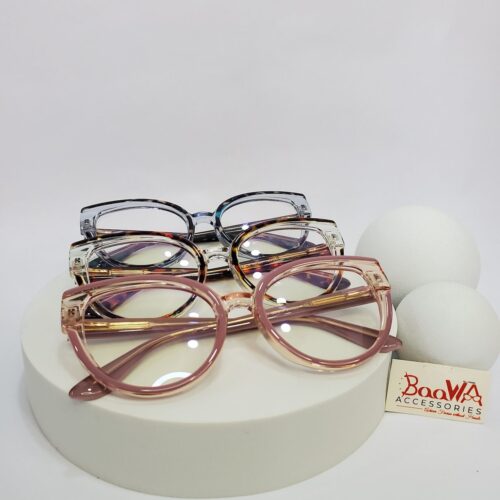
Your signature look is just a click away. Before you go, take a look at these exclusive markdowns on our top-rated wristwatches and designer eyewear.
Premium quality doesn't have to break the bank. Secure your favorite accessories today with safe bank transfers and reliable delivery across all 36 states in Nigeria.
Glasses frame material decides how your spectacles feel, look, and age. Two of the most common choices on the shelves of Nigerian opticians today are acetate and standard injection-moulded plastic, and they are very different animals despite looking similar at a glance.
One feels premium, holds colour for years, and can be reshaped by a skilled optician. The other is cheap, light, and ready to crack after a hard drop.
The question is which one actually lasts longer for daily wear in Nigerian heat. The honest answer takes a few minutes to unpack, and the right choice depends on how you live.
What Glasses Frame Material Means in Real Life
Frame material is the polymer the temples and front of your eyewear are built from. Acetate is cotton-based plastic, layered in sheets, cut to shape, and polished by hand or machine. Standard plastic is petroleum-based, melted, and injected into a mould in seconds.
Both are technically plastic, but the production gap shows in price, weight, durability, and finish. A quick scan of the Men’s Acetate Glasses collection beside the plastic-frame lines on any optician’s site makes the difference obvious before you even pick up a pair.
Industry writers at the Feel Good Contacts material breakdown walk through the chemistry in plain English, which is worth a read before any big purchase.
Acetate Frames: How They Hold Up
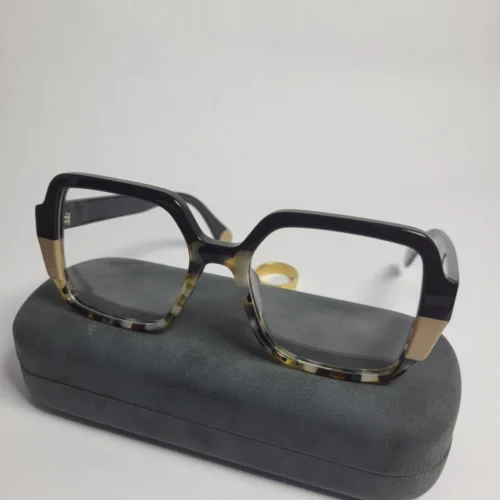
Acetate has a deserved reputation for premium feel. The sheet manufacturing process layers colours and patterns through the entire material rather than painting them on the surface, so the colour lasts through years of handling.
Daily durability is also strong. Acetate flexes slightly under stress before it snaps, which means a normal accidental drop usually leaves no damage at all. The temples can be warmed and adjusted by a skilled optician, so the fit can be tuned to your face over months of wear.
The trade-off is weight and price. Acetate is a touch heavier than basic plastic, and it costs more because the production is slower. For most adults who wear glasses every day, the comfort and longevity easily pay for the higher price tag. Selections from Women’s Acetate Glasses hold their finish for years rather than months.
Heat resistance is another quiet win. Acetate handles Lagos afternoons without warping, and it does not yellow in the sun the way cheap plastic eventually does.
Hand finishing matters too. A premium acetate frame is polished at the temples, the bridge, and even the inside surfaces. Run a fingertip over a quality acetate piece and you feel rounded edges everywhere your skin contacts the frame. That care translates into longer comfort across a twelve-hour day.
Plastic Frames: How They Hold Up
Standard injection-moulded plastic frames have a clear strength. They are cheap, light, and easy to replace. A child’s first pair of glasses or a backup desk frame is almost always plastic, and that is the right call for budgets and habits.
The trouble starts with longevity. Standard plastic becomes brittle over time, especially after weeks of UV exposure. The colour is usually a thin painted layer rather than a baked-in pigment, so scratches and scuffs reveal the cheaper material underneath. Hinges loosen faster, and the frame can warp on a hot dashboard.
Plastic is also tough to adjust. Many opticians refuse to heat the temples for fear of cracking. Once a plastic frame fits poorly, you usually live with it until you buy a new pair.
For occasional wear, the value is real. A spare from Men’s Plastic Glasses makes sense as a backup in the office drawer or the car. But as a daily driver across two or three years, plastic shows its age much faster than acetate.
The same logic applies to ladies’ eyewear. A backup pair from Women’s Plastic Glasses is a smart way to keep a spare in the handbag without committing to the price of a second acetate frame. Use the spare for short reads and screens, and save the acetate for full-day wear.
One more thing to flag with plastic frames is the screw hinge. Cheaper hinges loosen quickly under daily flex, and a few months of folding and unfolding can wear the metal threads inside the plastic temple. A drop of clear nail polish on the screw heads slows that drift down considerably.
Acetate also responds beautifully to professional polishing. A faded acetate frame can often be revived at a skilled optician in fifteen minutes, returning the shine and depth of colour to near-new condition. That single service is not available on injection plastic.
Side-By-Side at a Glance
Feature
Acetate
Plastic
Average lifespan
3 to 6 years
1 to 2 years
Colour fade
Very slow
Noticeable within months
Weight on the face
Medium
Light
Adjustability
High
Low
Heat tolerance
Strong
Weak
Repair friendliness
Easy at a good optician
Usually replaced
Price band
Mid to high
Low to mid
What This Means for Choosing Your Glasses Frame Material
The right pick depends on how you live and how often you wear your glasses. A full-time wearer who handles a busy Lagos commute is much better served by acetate. The durability over three to six years works out cheaper than two replacements of a plastic frame.
If you only wear glasses for screen work or occasional reading, plastic is reasonable. The lighter weight feels nice for short sessions, and the lower upfront cost makes sense if the frame spends most of its life on the bedside table.
For parents buying for school-age children, the answer is more nuanced. Children break frames often, so a cheaper plastic frame feels safer for the parent’s wallet. The team writing the acetate vs plastic frames analysis makes the case for a middle path. Pick a sturdy plastic for the first pair and step up to acetate as the child grows into responsibility.
Style-conscious wearers should lean acetate without hesitation. The depth of colour, the hand-polished finish, and the sense of weight on the bridge all telegraph a level of craft that injection plastic cannot match.
Resale and trade-in markets follow the same pattern. A used acetate frame in good condition still fetches a respectable price after two or three years, while a worn plastic frame is usually written off. Anyone who plans to refresh their look every couple of years should keep that resale gap in mind.
Allergy sufferers should also note that high-grade acetate is hypoallergenic in a way that some cheap plastics are not. If your skin reacts to certain frames, switching to acetate is often the simplest cure before you experiment with metal options or specialty hypoallergenic materials.
Wrap-up
For most adult wearers who use glasses every day, acetate is the wiser long-term buy. The price gap pays for itself in years of clean colour, comfortable fit, and easy adjustment at any optician you visit.
Plastic still earns its place as a spare, a budget first pair, or a desk frame you do not mind tossing around. Choose the right one for the right job, and your eyewear will work harder and look better than it ever did before.
To find a frame built to last, swing by Men’s Acetate Glasses and try a few styles on for size.