Your signature look is just a click away. Before you go, take a look at these exclusive markdowns on our top-rated wristwatches and designer eyewear.
Premium quality doesn't have to break the bank. Secure your favorite accessories today with safe bank transfers and reliable delivery across all 36 states in Nigeria.
Do Blue Light Glasses Really Work? An Honest Nigeria Guide
Do blue light glasses work? An honest look at what the science says about eye strain and sleep, who actually benefits, and how to reduce screen fatigue.
Blue light glasses are everywhere now. Adverts promise sharper focus, less eye strain and better sleep, all from a single pair of lenses.
The honest picture is more nuanced than the marketing. Whether blue light glasses work depends on what you expect from them, and the current science points to a smaller, more specific benefit than most people assume.
This guide lays out what the research actually shows, who genuinely benefits, and the habits that ease screen fatigue more than any lens can.
Tired Eyes After a Long Day of Screens
The problem is familiar to anyone who works on a laptop or scrolls a phone for hours. By evening the eyes feel dry, gritty and tired, the head aches a little, and focusing on anything close takes effort. Many people reach for blue light glasses hoping to fix exactly this.
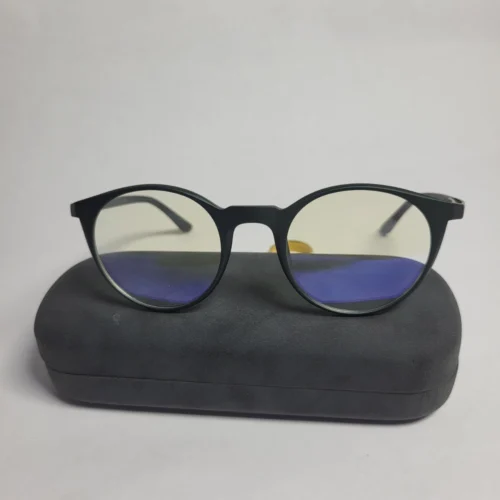
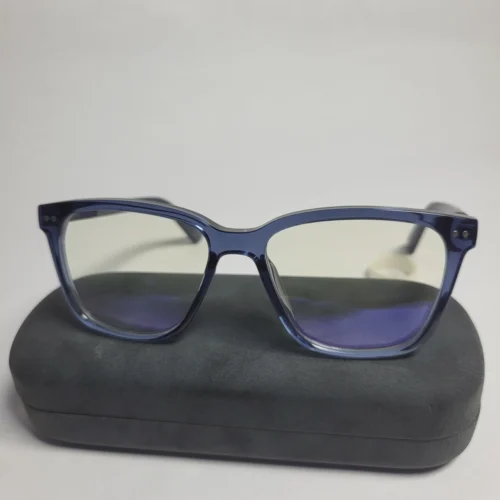
It is a real and common complaint, often called digital eye strain, and it deserves a real answer rather than a slogan. Understanding what is actually causing that tiredness is the first step to easing it, and it also explains where blue light glasses do and do not help. You can explore the options in the blue light glasses collection while keeping honest expectations in mind.
What Actually Causes Digital Eye Strain
Here is where the science matters. Large reviews of the evidence, including work summarised by the American Academy of Ophthalmology, have found little proof that blue light from screens damages the eyes or that blue-light lenses meaningfully reduce eye strain compared with normal lenses. That is a surprising finding for many buyers.
The strain, studies suggest, comes mostly from how we use screens rather than from blue light itself. We blink less when we stare at a display, we hold it too close or at an awkward angle, and we go for hours without a break. Those habits dry and tire the eyes, which is why a lens alone rarely solves the whole problem.
Where Blue Light Glasses Genuinely Help
The picture is not all negative, though. Blue light in the evening can affect the body clock, and some people find that filtering it in the hours before bed helps them wind down and sleep a little better. That is a modest but real benefit worth having.
Many wearers also simply like the slight tint and the reduced glare on bright screens, and comfort is a perfectly valid reason to wear them. The key is honest framing, since the benefit is about evening comfort and possibly sleep, not disease prevention. Worn with that understanding, blue light glasses can earn their place in your routine.
Habits That Do More Than Any Lens
If tired, dry eyes are your real problem, a few habits help far more than any pair of glasses, and experts generally recommend them first.
Follow the 20-20-20 rule. Every 20 minutes, look at something about 20 feet away for 20 seconds to relax the focusing muscles.
Blink on purpose. We blink far less at screens, which dries the eyes, so make a conscious effort.
Fix your setup. Position the screen slightly below eye level and about an arm’s length away, and cut glare from windows and lights.
Adjust the brightness. Match your screen to the room and switch on night mode in the evening.
Blue Light or Computer Glasses: Which to Choose
It helps to know these are different products with different jobs. Computer glasses use a mild focusing power that relaxes the eyes during long near work, which targets the strain directly. Blue-light lenses only filter part of the blue spectrum, so they do less for strain but suit evening comfort and screen aesthetics.
If eye strain is your main complaint, a pair of computer glasses may serve you better, while blue light glasses fit those chasing evening comfort and better sleep. Choosing the right one starts with naming the problem you actually want to solve, then matching the lens to it rather than to the hype.
What Large Studies Have Concluded
The evidence here is unusually consistent. A major 2023 review by the Cochrane collaboration, along with guidance from eye-care bodies, found no reliable proof that blue-light-filtering lenses reduce digital eye strain or protect the retina from screen use. Coverage of that research by Cleveland Clinic reaches the same measured verdict.
None of this means the glasses are useless, only that their marketing often overpromises. Most blue-light lenses on sale filter a limited share of blue light in the first place, so treating them as a medical shield sets you up for disappointment. Seen as a comfort and evening-sleep aid instead, they make far more sense.
Setting Up a Screen Space That Protects Your Eyes
Because habits and environment drive most eye strain, a few adjustments to your workspace help more than any lens. Keep the top of your screen at or just below eye level, so your gaze rests slightly downward and your eyelids cover more of the eye. Sit about an arm’s length from the display, and enlarge the text rather than leaning in toward it.
Lighting matters too. Position lamps and windows so they do not reflect off the screen, and avoid working with a bright window directly behind or in front of the display. Small changes like these reduce the squinting and glare that tire your eyes, and they cost nothing at all.
Who Should Consider Blue Light Glasses
With honest expectations set, some people still gain real value from a pair. If you work late into the night on screens and struggle to switch off before bed, filtering evening blue light may ease your wind-down. If bright displays feel harsh to your eyes, the gentle tint can make long sessions more comfortable.
For anyone who mainly wants to relieve daytime strain, though, the better route is a pair of computer glasses plus the screen habits above. Match the tool to your goal, and you will spend wisely rather than on hope alone.
If you already own a pair, you can gauge the effect for yourself. Wear them through a normal week of screen use, then notice whether your evening comfort or your sleep genuinely improves. Trust your own experience over any advert, since the honest measure of whether they help is simply how your own eyes feel at the end of the day.
Wrap-up
So do blue light glasses work? Not as a cure for eye strain, which the evidence does not support, but they can add evening comfort and may help some people sleep a little better.
Buy them for those honest reasons, pair them with good screen habits, and consider computer glasses if strain is your main issue. Clear expectations are what turn a purchase into a genuinely useful one, so you end up with glasses that do a real job for your eyes rather than a job the marketing only promised.