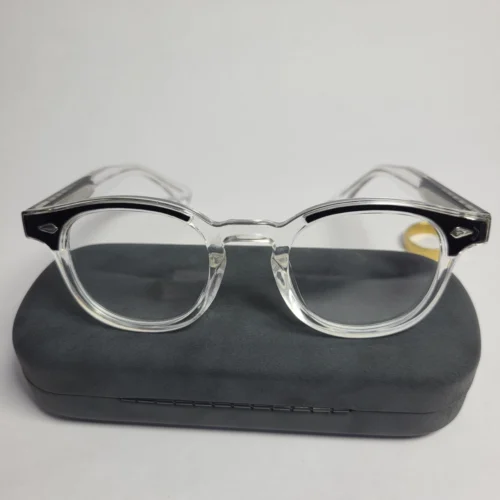
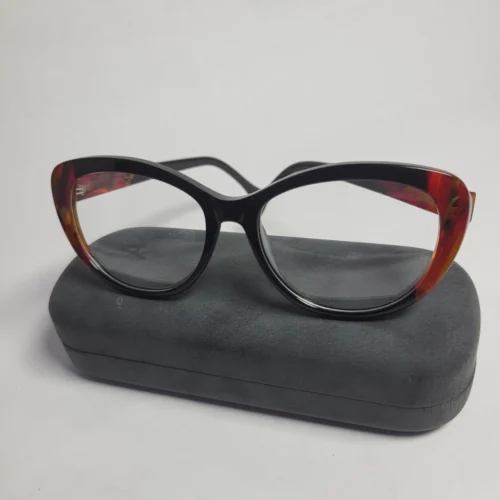
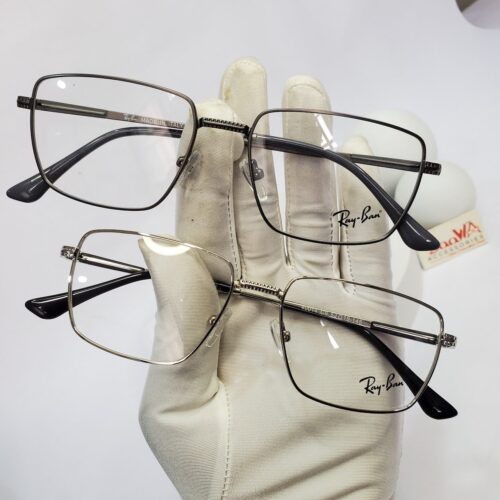
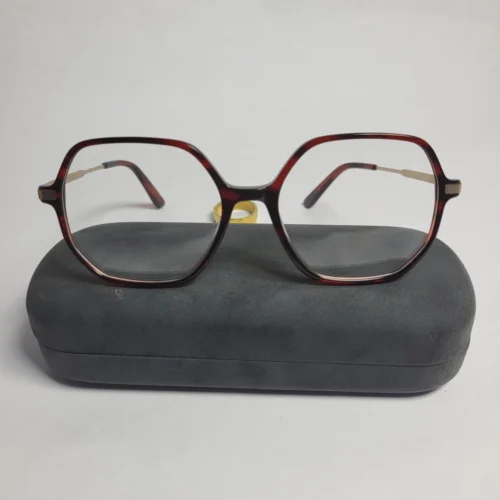
Your signature look is just a click away. Before you go, take a look at these exclusive markdowns on our top-rated wristwatches and designer eyewear.
Premium quality doesn't have to break the bank. Secure your favorite accessories today with safe bank transfers and reliable delivery across all 36 states in Nigeria.
It creeps up quietly. The phone screen you hold a little further away, the menu you tilt toward the light, the medicine label that simply will not come into focus.
For most people, the fix is a pair of reading glasses, but picking the wrong strength trades one struggle for another. This reading glasses power guide walks you through choosing the right strength so text turns crisp and comfortable, not magnified and dizzying.
Below you will find what the numbers mean, how to estimate your strength, and when to skip the guesswork and see an optometrist instead.
The Everyday Struggle of Blurry Near Vision
The signs are familiar to anyone past their early forties. Small print blurs unless you hold it at arm’s length, your eyes tire after a short spell of reading, and working under dim light feels harder than it used to. Many people describe a dull ache around the eyes after a while on close work.
It is one of the most common vision changes there is, and it is nothing to worry about on its own. The right pair of readers brings everyday detail back into sharp focus, and you can see the styles available in the reading glasses collection in Nigeria once you know the strength you need.
Why Near Vision Fades With Age
The cause has a name: presbyopia. As we age, the flexible lens inside the eye gradually stiffens and the tiny muscle that focuses it weakens, so shifting focus to something close becomes slower and less complete. It happens to almost everyone, usually becoming noticeable from the early to mid forties onward.
This is a normal part of ageing rather than a disease, and experts generally describe it as universal and predictable. For a clear, trustworthy explanation of how the eye focuses and why that changes, the American Academy of Ophthalmology is a solid reference. Understanding the cause makes choosing a strength far less mysterious.
Finding Your Reading Strength
Ready-made reading glasses are labelled with a plus value, such as +1.50 or +2.00, measured in units called dioptres. The higher the number, the stronger the magnification for closer or smaller text, and both lenses usually share the same power, which is why off-the-shelf readers suit many people even without a prescription.
Because presbyopia advances gradually with age, your age gives a reliable starting point for where to begin. Use the guide below as a first estimate, then adjust from there.
Age range
Typical starting strength
Early to mid 40s
+1.00 to +1.50
Late 40s to early 50s
+1.50 to +2.00
Mid 50s to early 60s
+2.00 to +2.50
Mid 60s and above
+2.50 to +3.50
These figures are estimates, not a substitute for a proper test, so treat them as a place to start rather than a final answer. A sensible approach is to begin at the lower end of your range and move up only if text still looks soft.
A Quick Self-Test You Can Try
You can narrow your strength at home with a simple check. Hold everyday text, like a book or a medicine label, about 35 to 40 centimetres from your eyes, which is a comfortable reading distance for most people. Try a strength and see whether the text is sharp and easy to read without leaning in or straining.
If you still find yourself squinting, step up one level of magnification. If the words are clear but your eyes feel tired or the text seems to swim, step down instead. The right power lets you read comfortably for long stretches, so trust how your eyes feel over a few minutes rather than a single glance.
What to Look For When Buying Readers
Once you have a strength in mind, a few features separate a good pair from a frustrating one.
The right power for the job. Match the strength to your usual reading distance, and consider a slightly lower power for screens held further away.
Comfortable, well-fitting frames. A frame that sits securely keeps the lenses at the correct distance from your eyes.
Good lens clarity. Look for lenses free of distortion or waviness, which cause eye strain over time.
A spare pair or two. Keeping readers by the bed, in your bag and at your desk saves the daily hunt for one pair.
A style you like. You will wear them often, so a frame that suits your face makes the habit easier.
One Pair May Not Cover Everything
Reading is not the only close task in a day, and the strength that suits a book may not suit a screen. A phone or laptop usually sits a little further away than a paperback, so a slightly lower power often feels more comfortable for screen work. Some people keep two mild pairs, one for print and one for the computer.
If you would rather carry a single pair, choose a strength that handles your most frequent task, then hold other material at the distance that keeps it clear. Being aware of distance is half the battle, since the same lens can feel perfect for a novel and a touch strong for a laptop screen an arm’s length away.
Caring for Your Readers So They Last
A little care keeps reading glasses clear and comfortable for longer. Clean the lenses with a microfibre cloth rather than a shirt or tissue, which can leave fine scratches that scatter light and tire your eyes. A drop of mild soap and water lifts stubborn smudges safely.
Store each pair in a case when it is not in use, since readers left face down collect scratches quickly. If you keep several pairs around the house, a quick wipe now and then keeps every one ready for the moment your eyes need it.
When to See an Optometrist Instead
Ready-made readers assume both eyes need the same power and that you have no astigmatism, which is not true for everyone. If your two eyes differ noticeably, if you have astigmatism, or if you still get headaches with a strength that seems right, you need a proper prescription pair made for your eyes.
Persistent blur, eye strain or headaches always deserve a professional eye test rather than more guesswork. Regular tests also catch other changes early, and the American Optometric Association offers clear guidance on how often to have your eyes checked. When in doubt, book the test and let an expert set your power.
Wrap-up
Use this reading glasses power guide as your starting point. Match a strength to your age range, self-test at a comfortable reading distance, and adjust up or down until text is clear and easy on the eyes.
If your eyes differ or the strain will not settle, get a full eye test and a prescription pair instead. A little care here means reading that feels effortless again, whether it is a book, a menu or your morning messages.