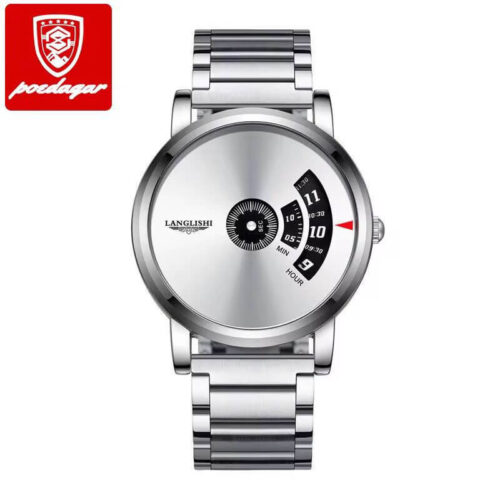
A blank wall can drag down even the most expensive interior. Hang a well-chosen clock on it and the room suddenly looks finished. This guide to wall clocks in Nigeria will help you choose one that fits your space and your budget.
That is the quiet magic of wall clocks. Nigeria’s interior design culture has finally caught up to this, and homes from Lekki to Asokoro are using designer clocks the way New York apartments use framed prints.
This guide walks you through how to pick, place, and pair the right clock so your living room, kitchen, or office stops feeling like a hotel room and starts feeling like home.
Why Wall Clocks in Nigeria Are Having a Moment
Look around any modern Nigerian living room shot you have saved on Pinterest. A clock will almost always be sitting somewhere prominent. Wall clocks in Nigeria have moved from being purely functional pieces to acting as sculpture, anchor, and conversation starter all at once. The wide selection at the BaaWA Wall Clocks collection shows just how varied the category has become, from oversized industrial pieces to delicate brass numbers.
Part of this shift is cultural. As more Nigerians invest in their homes rather than constantly relocating, the appetite for furniture and decor that lasts has grown. A great wall clock is one of the cheapest ways to upgrade a room without committing to a whole renovation.
The other driver is hybrid work. With more people working from home full or part time, that home office wall now matters. A clock on it signals focus, intention, and a respect for the workday.
The Main Types of Wall Clocks to Know
Before you start scrolling listings, get familiar with the broad categories. According to Wikipedia’s overview of clocks, the wall clock evolved from the early mechanical and pendulum clocks of the 17th century into countless shapes and styles, each suited to different rooms and moods.
Analog wall clocks are the classic option. Two or three hands, twelve hour markers, and a quiet tick. They work in almost any room and never feel out of place. Browse the analog clocks selection for traditional and contemporary versions.
Digital wall clocks show the time in numbers, often with bonus features like temperature, humidity, and date display. They suit kitchens, offices, and any room where you need to read the time at a glance from across the space.
Designer wall clocks are the statement pieces. Oversized geometric shapes, exposed mechanics, sunburst metal designs, or minimalist circles in matte black. These are the clocks people compliment when they walk into your living room for the first time.
Choosing the Right Clock for Each Room
A clock for a kitchen has different demands from one for a master bedroom. Matching the piece to the space is what separates a thoughtful home from a randomly furnished one.
For the living room, go big and bold. A 50 to 80cm designer piece above the TV unit or behind the sofa creates a focal point and balances the visual weight of larger furniture. The designer clocks range is the place to start for this room.
For the kitchen, choose something easy to clean and easy to read. A 30 to 40cm clock with a simple white face and bold black numerals works for most modern Nigerian kitchens. Avoid intricate fabric or paper finishes that absorb cooking moisture.
For the home office, the rule is calm. A medium sized analog clock in muted tones helps you focus instead of competing with your monitor. Skip ticking second hands here since the sound becomes irritating during long video calls.
For the bedroom, smaller and quieter wins. A 25 to 35cm silent movement clock keeps the room peaceful while still earning its keep on the wall above the dresser or reading chair.
Material and Finish Choices That Last
Material is where many buyers get tripped up. Metal frames last longest, especially in coastal cities like Lagos or Port Harcourt where humidity quietly corrodes cheaper finishes. Brushed steel, brass, and powder coated aluminium all handle the climate well over years.
Wooden clocks bring warmth and pair beautifully with both modern and traditional Nigerian interiors. Pick solid wood over MDF whenever possible, and avoid glossy lacquer if your room gets direct afternoon sunlight.
Glass and acrylic faces look clean and modern, but they need wiping every couple of weeks to stay sharp. For high traffic rooms with children, a matte metal face is a safer bet than a fragile glass dome.
The movement inside matters just as much as the face on the outside. Britannica’s guide to clock mechanisms outlines how quartz movements transformed home timekeeping by making clocks more accurate and almost completely silent. For Nigerian buyers, a quality quartz movement avoids both the loud tick of cheaper imports and the maintenance demands of older mechanical pieces.
If silence is a priority, look out for clocks labelled as silent sweep or continuous sweep. These run smoothly without the audible tick that interrupts video calls and light sleepers alike.
Placement and Pairing Tips for a Cohesive Look
Even the most beautiful clock falls flat in the wrong spot. Hang it at eye level when standing, roughly 1.5 to 1.7 metres from the floor. Above a console, sofa, or fireplace is usually safe. Inside a gallery wall, give the clock at least 20cm of breathing room from surrounding frames.
Pair the clock’s finish with one or two other elements in the room. If you choose a brass clock, echo it in a lamp base or a side table accent. If your clock is matte black, repeat the colour in a picture frame or curtain rod for a pulled together look.
Lighting also matters. A soft warm bulb hitting a designer clock at night turns it into a sculptural centrepiece. Consider placement near a wall sconce or under a track light if your living room has one. The depth of style options available, including digital clocks for ultra modern rooms, means there is a piece for every aesthetic and budget.
What This Means For Your Nigerian Home
Treating a clock as decor rather than just a timekeeper unlocks a whole new layer of your home’s personality. The best part is how affordable the upgrade is. A great wall clock between fifteen and eighty thousand naira can elevate a room that previously felt incomplete, with zero structural changes needed.
Start with the room that bothers you most. Maybe it is the empty wall behind the dining table or the awkward space above your home office desk. Measure the wall, pick a clock size that fills roughly one third of that width, and let the piece do the heavy lifting.
Treat the clock as a long term piece. Quality movements run smoothly for years, and good finishes age gracefully. The right clock today still looks right five renovations from now.
Wrap-up
Your home deserves intentional decor, and a thoughtful wall clock is one of the easiest entry points. Pick the right type for the room, choose finishes that survive the Nigerian climate, and place it where it can actually be seen.
Ready to elevate a room today? Explore the full wall clocks collection at BaaWA and find a piece that brings rhythm and style to your space.
Ready to shop? Browse our full wall clocks collection.
Related Reading