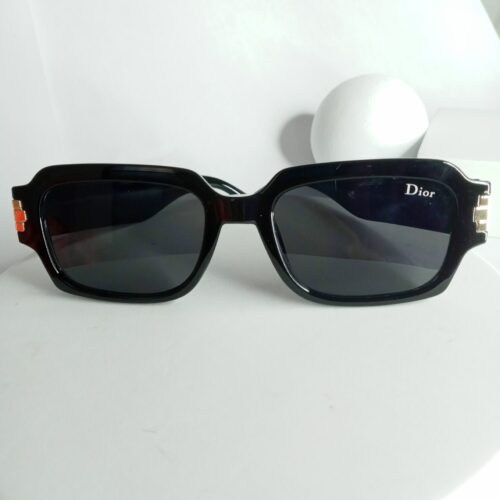
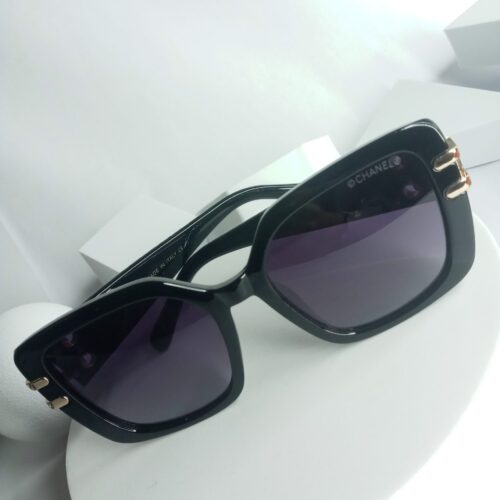
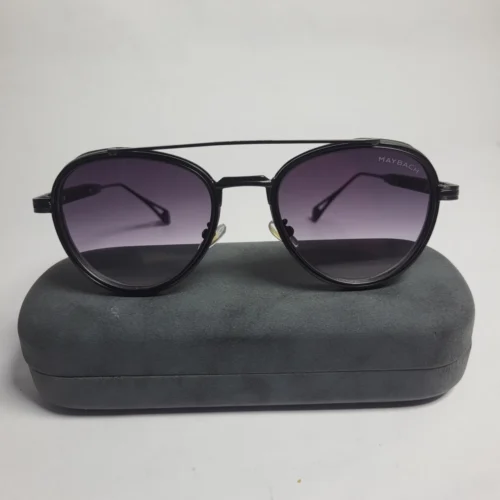
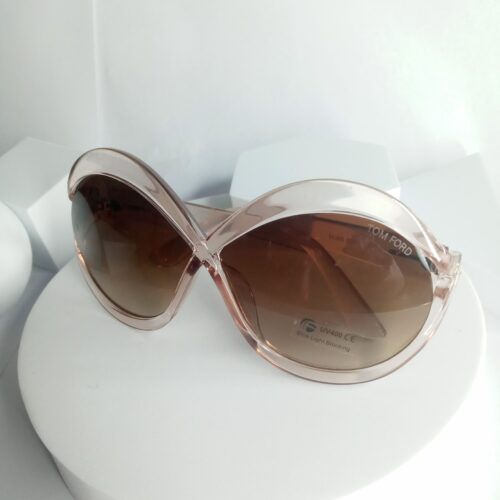
Your signature look is just a click away. Before you go, take a look at these exclusive markdowns on our top-rated wristwatches and designer eyewear.
Premium quality doesn't have to break the bank. Secure your favorite accessories today with safe bank transfers and reliable delivery across all 36 states in Nigeria.
Best Glasses for Driving in Nigeria: See Clearly and Cut Glare
The best glasses for driving in Nigeria: polarised sunglasses for glare, photochromic lenses for changing light, and night-driving tips for safer roads.
Every Nigerian driver knows the moment. The midday sun hits the road, glare floods the windscreen, and for a second the car ahead almost vanishes into the light.
The best glasses for driving in Nigeria are built to prevent exactly that. Between the fierce sun, dusty harmattan haze and oncoming headlights at night, our roads test your eyes constantly, and the right eyewear makes every trip safer.
This guide covers the lens types that genuinely help behind the wheel, how they work, and how to choose the right pair for day and night.
The Trouble With Nigerian Roads and Your Eyes
Driving here asks a lot of your vision. Bright sunlight bounces off tarmac, bonnets and other windscreens, and that reflected glare forces your eyes to work harder just to keep the road in focus. Add fine harmattan dust, long journeys and the sudden dazzle of oncoming lights, and eye fatigue sets in faster than most drivers realise.
Tired eyes are slower to react, and on a busy Lagos or Abuja road that half-second matters. Studies of driver vision generally agree that reducing glare improves comfort and reaction time, which is where purpose-chosen lenses come in. You can explore suitable options in the sunglasses collection in Nigeria, chosen with our roads and sun in mind.
Why Glare Tires Your Eyes So Quickly
To fix glare, it helps to understand it. When sunlight reflects off a flat surface like a road or a car bonnet, the light waves line up into a harsh, concentrated dazzle. Your eyes respond by squinting and constantly readjusting, which is tiring over a long drive and briefly hides whatever sits in that band of light.
At night the problem flips but does not disappear, since oncoming headlights scatter across your eye and leave temporary halos. Experts generally recommend cutting reflected light rather than simply darkening your view, a point echoed by the American Optometric Association. Understanding that difference is the key to choosing well.
Polarised Lenses for Daytime Glare
For daytime driving under the Nigerian sun, polarised lenses are the standout choice. They contain a built-in filter that blocks the horizontal glare bouncing off flat surfaces, so the road looks sharper and your eyes relax. The result is less squinting, less fatigue and better hazard spotting on long, bright drives.
Many drivers describe the first time they wear polarised lenses on a sunny road as a genuine relief, with the harsh shine simply gone. Look for a pair with full ultraviolet protection as well, since that guards your eyes over years of driving. Polarised styles appear throughout the sunglasses range, so you can match the protection to a frame you actually like.
Photochromic Lenses and Safe Night Driving
If your drives move in and out of bright and shaded stretches, photochromic lenses are a smart option. They darken in strong sun and clear up in lower light, so one pair adapts as conditions change, which suits prescription wearers who would rather not swap between two pairs. You can see how they work in the photochromic blue-cut glasses range.
Night driving deserves an honest word, though. Dark or heavily tinted lenses do not help you see better after dark, and they actually make things worse by cutting the light your eyes need. For night driving, the safer choice is a clear lens with a quality anti-reflective coating, which reduces the halos and scatter from oncoming headlights. If you wear a prescription, keeping those lenses clean and scratch-free matters more than any tint.
What to Look For When Buying Driving Glasses
A few features separate a genuine driving aid from a fashion tint. Keep this checklist in mind as you shop.
Polarisation for daytime. It is the single most useful feature for cutting road glare under the sun.
Full ultraviolet protection. Confirm the lenses block harmful rays, rather than only dimming the brightness.
Anti-reflective coating for night. Clear lenses with this coating ease headlight dazzle after dark.
A comfortable, secure fit. Frames that grip lightly stay put over a long drive and do not slide in the heat.
Prescription-ready options. If you wear glasses to drive, have your driving lenses made to your exact numbers so clarity is never compromised.
Sun Exposure and Your Long-Term Eye Health
Glare is the immediate problem, but sunlight carries a longer-term concern too. Regular, unprotected exposure to ultraviolet light is linked by researchers to eye conditions that develop over years, which is why driving eyewear should always block those rays rather than simply reduce brightness. A dark lens without real ultraviolet protection can even do harm, since it opens the pupil while letting damaging light through.
For a driver who spends hours on the road each week, that protection adds up across a lifetime. The American Academy of Ophthalmology generally recommends lenses that block the full range of ultraviolet light, and quality driving sunglasses do exactly that while cutting glare at the same time.
Matching Glasses to Your Driving Situation
Different journeys call for slightly different eyewear, and a little thought here pays off. For long daytime highway runs under a strong sun, polarised lenses with full ultraviolet protection are the clear pick, since glare and fatigue are the main enemies. For city driving that ducks between shade and bright open stretches, photochromic lenses that adjust on their own are the more convenient choice.
For frequent night driving, keep a clear anti-reflective pair in the car and resist the temptation of tinted night lenses, which reduce vision rather than sharpen it. Drivers who wear a prescription can have any of these made to their exact numbers, so they never trade clear vision for glare protection. Matching the pair to the trip keeps you comfortable and safe whatever the light does.
Keeping Your Driving Lenses Clear
Even the best driving lenses only help if they are clean. Dust, fingerprints and smears scatter light and add their own glare, which quietly undoes the work of a good lens. Wipe them with a microfibre cloth rather than a shirt, and rinse off harmattan dust before cleaning so grit does not scratch the coating.
Store the pair in a hard case in the car so they are always to hand and never rattling loose in a door pocket. A clean, scratch-free lens gives you the full benefit of polarisation or anti-reflective coating every time you drive, and it keeps your view sharp mile after mile.
Wrap-up
The best glasses for driving in Nigeria depend on when you drive. Polarised sunglasses rule the bright daytime, photochromic lenses handle changing light, and clear anti-reflective lenses keep night roads safer.
Match the lens to your conditions rather than reaching for the darkest tint, and every journey gets clearer and less tiring. Your eyes, and everyone else on the road, benefit from the care you take with the right pair.