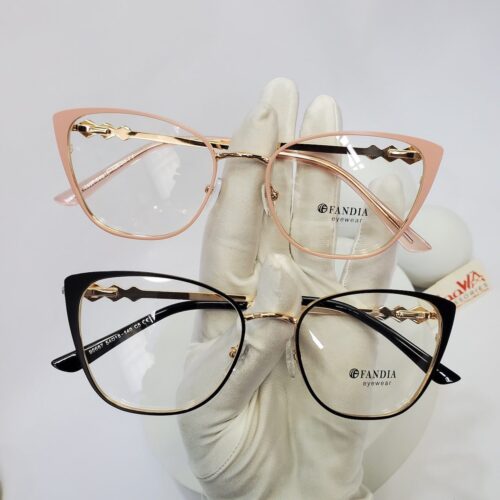
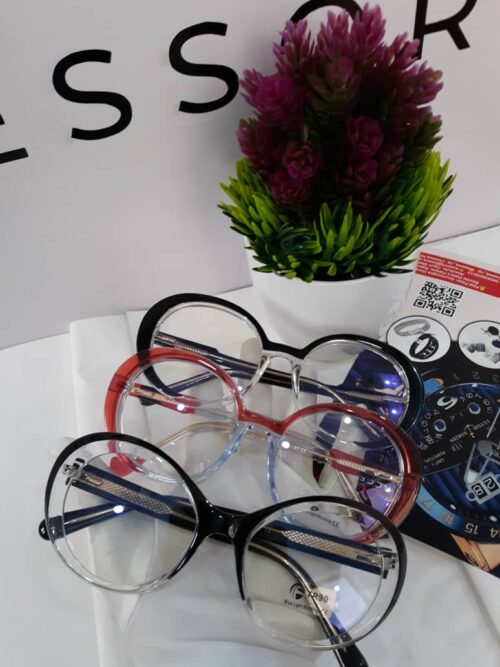
Your signature look is just a click away. Before you go, take a look at these exclusive markdowns on our top-rated wristwatches and designer eyewear.
Premium quality doesn't have to break the bank. Secure your favorite accessories today with safe bank transfers and reliable delivery across all 36 states in Nigeria.
You spent decent money on a pair of blue light glasses. The seller said the right things, the lens looked vaguely tinted, and your headaches were supposed to vanish within a week of daily wear at your desk.
Two weeks later, you still squint at your laptop and your eyes feel rough by evening. Something does not add up, and a quick blue light glasses test at home settles the question fast without a single shop visit.
Read on for the simple, practical ways to check whether the lenses in your hands are doing the job, plus what to do if they fail any of the checks below.
The Problem: Doubt About the Lenses on Your Face
Many Nigerian remote workers, students, and gamers buy blue-cut glasses hoping to ease screen-driven fatigue. The market is busy. Roadside vendors sell cheap copies for a few thousand naira. Online sellers ship fancy boxes that may or may not contain proper coatings inside. The result is that plenty of buyers walk around in lenses that look like blue light glasses but actually filter very little blue light at all during long work sessions.
The doubt is real. You cannot see a coating clearly. You cannot feel it with your fingers. The seller’s word is the only thing standing between you and a wasted purchase. Studies suggest that even within branded blue light products, the actual filtering strength varies widely, which means two pairs sold under the same label may behave very differently from one shop to the next.
That uncertainty is why a clean blue light glasses test matters. The right checks take a few minutes, need only a phone or a printed colour image, and give you a clear answer one way or the other. The full Blue Light Glasses Nigeria range was put together with proper coatings in mind, so you have a benchmark to compare against once you start testing on your own pair at home this evening.
Why It Happens: Blue Light, Tint, and the Industry Around It
Blue light is the short-wavelength, high-energy portion of visible light. It comes from the sun, indoor LEDs, and the screens you use all day long. According to the American Academy of Ophthalmology guidance on blue light, there is no strong evidence that blue light from screens damages the eyes, but long screen time is linked to digital eye strain, dryness, and trouble falling asleep at night.
Proper blue-cut lenses carry a thin coating, a tinted layer, or sometimes both, that reduces the amount of blue light reaching the eye. The coating itself is almost invisible at first glance, which is why visual inspection alone proves nothing. Many cheap pairs in the market carry a slight yellow tint on the lens that looks like a blue filter but does not block much of the relevant wavelengths in practice during real screen sessions.
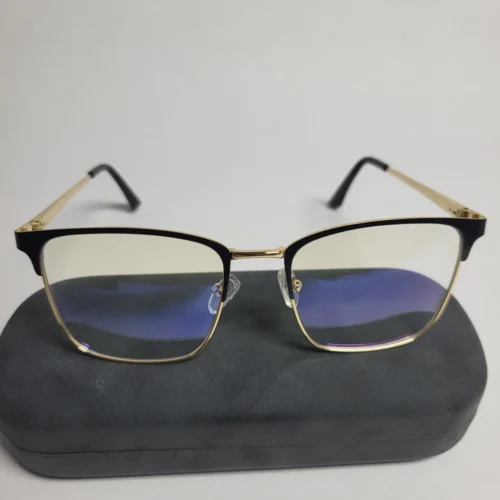
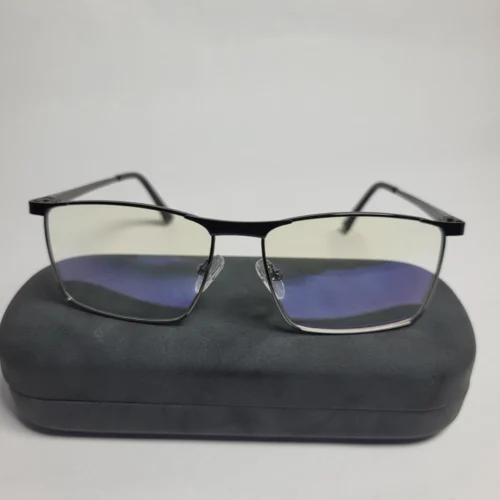
To add to the confusion, the coating sometimes shows up as a subtle blue or purple reflection when light hits the lens at an angle. That coloured sheen is often a reliable sign that something is filtering, although it does not prove the filter strength is enough for heavy screen sessions every day.
The industry itself adds noise. Some sellers print impressive percentages on the box with no third-party test to back them up. Buyers without a way to verify end up trusting marketing, and the lens earns trust only after the symptoms either ease or persist after a few weeks.
What Actually Helps: Three Tests You Can Run Today
The simplest at-home test uses a phone screen and a special web page. Search online for “blue light glasses test image” and find a page that displays a bright blue colour patch. Hold your lens between your eye and the screen. A working blue-cut lens will visibly dim the blue patch compared to looking at the screen without the lens. A fake lens shows little to no difference at all in front of the same patch.
The second test uses a printed colour chart. Print a sheet with a strong solid blue square and a strong solid red square side by side. Look at the page through the lens. If the blue square noticeably darkens while the red square stays about the same, your coating is filtering blue light selectively. If both squares look the same with and without the lens, the coating is weak or missing entirely.
The third test is the angled-reflection check. Hold the lens under a bright light or against the sun. Tilt it slowly. If you see a faint purple or blue sheen flashing across the surface, you are almost certainly looking at a real coating. If the lens shows only a slight yellow tint with no coloured reflection, expect very limited blue light reduction once you sit down at your screen for the day.
Habits still matter as much as lenses. Experts generally recommend the 20-20-20 rule: every twenty minutes, look at something twenty feet away for twenty seconds. Pair the right lens with the right habit and your eyes get real relief. The AAO take on whether computer glasses are worth it reinforces that no coating substitutes for good screen habits and proper room lighting.
For people who spend many hours staring at displays, the dedicated Computer Glasses Nigeria selection blends a proper coating with screen-friendly frame shapes, so the lens and the fit work together for long sessions through a workday at home or in the office.
What to Look For When Buying or Replacing
If your current pair fails the at-home checks, the next purchase deserves more care. Use this short checklist before paying for any replacement pair:
A written spec stating how much blue light the lens filters, often quoted as a percentage in the 380 to 500 nanometre range
A visible blue or purple sheen on the lens under angled light
A demo test in the shop using a phone blue patch image you trust
An anti-reflective coating combined with the blue-cut layer for better screen clarity
A frame that sits comfortably for at least four hours of continuous wear
A clean storage pouch and microfibre cloth so the coating lasts longer
Photochromic options are a strong upgrade if you move between bright and dim environments often. The Photochromic Blue Cut Glasses range combines a blue-cut coating with light-reactive tint, so the same pair dims outdoors and clears up at your desk without a second purchase.
Care also affects performance. The coating wears off faster when wiped with dirty cloths, tissue, or shirt corners. Pick up a proper microfibre cloth and a small storage case from the Accessories selection so the lens keeps its filtering strength for as long as possible across daily use.
Wrap-up
A real blue light glasses test takes about five minutes and saves you from wearing lenses that do nothing useful. The phone screen test, the printed colour test, and the angled reflection check together give a confident answer.
If your pair fails, replace it from a source that lists the filtering specs honestly. Ready to find lenses that actually do the work? Browse the curated Blue Light Glasses Nigeria selection for verified blue-cut coatings in current styles.