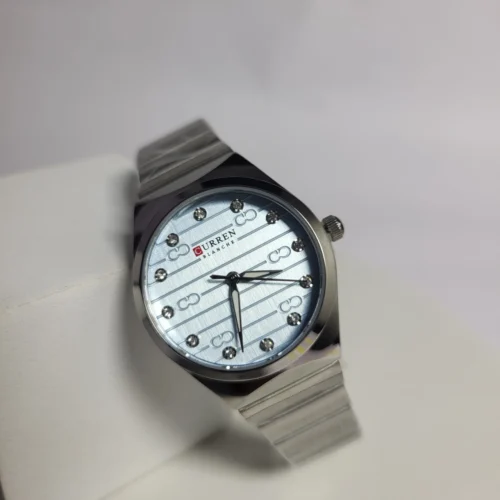
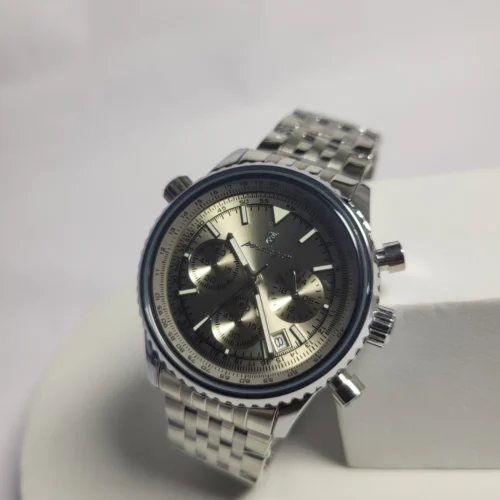
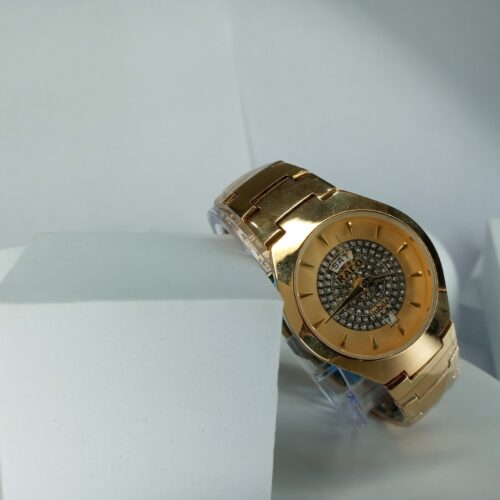
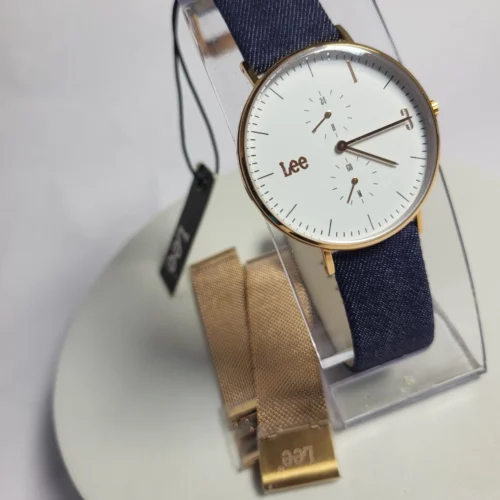
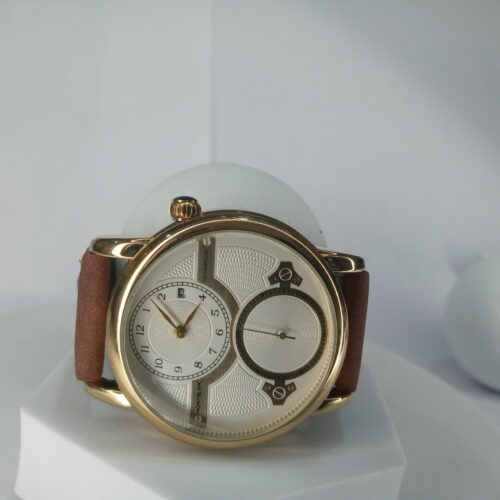
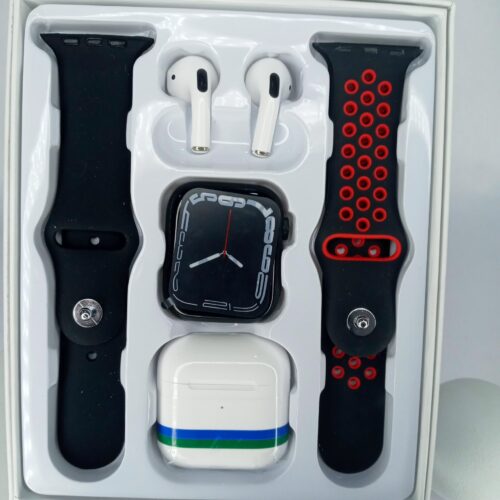
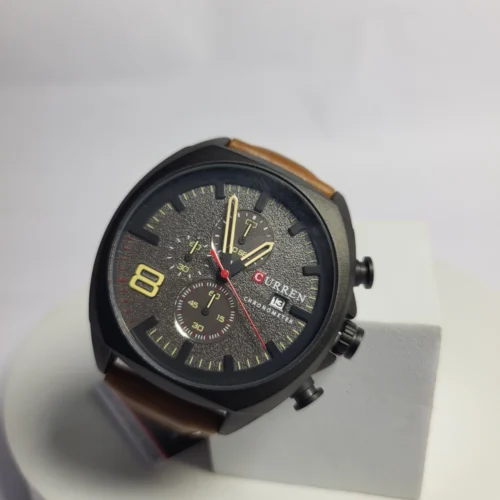
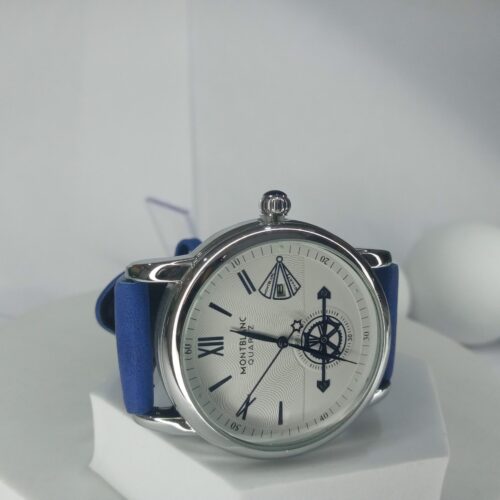
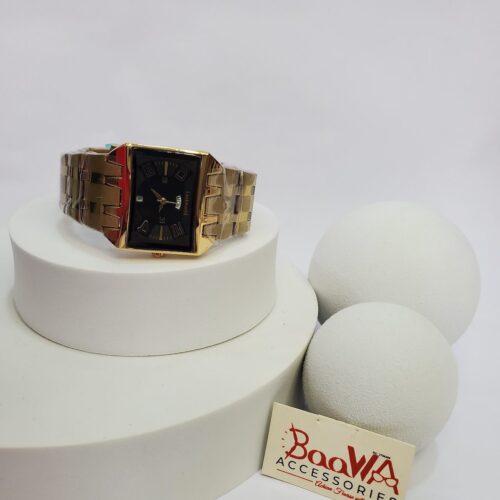
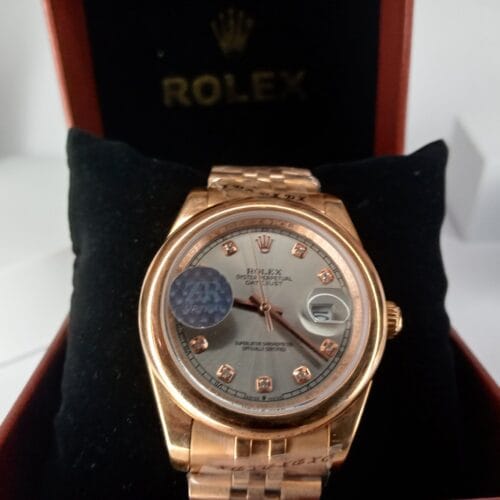
Your signature look is just a click away. Before you go, take a look at these exclusive markdowns on our top-rated wristwatches and designer eyewear.
Premium quality doesn't have to break the bank. Secure your favorite accessories today with safe bank transfers and reliable delivery across all 36 states in Nigeria.
Automatic vs Quartz Watches: Which Should You Buy in Nigeria? (2026)
Automatic vs quartz watches in Nigeria — cost, accuracy, reliability, climate fit, and resale value compared. Pick the right movement for office, owambe and outdoor wear.
The automatic vs quartz watches debate is the oldest in modern timekeeping, and Nigerian buyers face it every time they shop for a new piece. Both movements tell time. Both come in elegant cases. Both can serve you for years. But they work in completely different ways, and that difference shapes the kind of owner each one suits.
Quartz watches run on a battery and a small vibrating crystal. Automatic watches run on a tiny mechanical engine wound by the motion of your wrist. The choice is more lifestyle than luxury.
This guide breaks down which movement makes sense for the average Nigerian wearer and why.
₦59,250.00Original price was: ₦59,250.00.₦50,500.00Current price is: ₦50,500.00.
A quartz watch uses a battery to send electricity through a quartz crystal. The crystal vibrates at exactly 32,768 times per second, and the circuit converts those vibrations into one ticking second on the dial. Most quartz watches are accurate to within 15 seconds per month. Start your search on our Automatic Watches page if you want to compare the two side by side.
An automatic watch has no battery. A weighted rotor swings as your wrist moves, winding a coiled mainspring. The energy slowly releases through a complex set of gears called the escapement, which keeps the hands moving at a steady rate. Most automatic movements are accurate to within 10 to 30 seconds per day.
The accuracy gap is the first thing many buyers notice. Quartz wins on precision. Automatic wins on craft.
Automatic vs Quartz Watches: Reliability in Nigerian Conditions
Nigeria is hot, humid, and dusty for half the year. Both movements handle the climate, but in different ways.
Quartz watches need a battery change every two to three years. The seal around the case back is critical because if moisture sneaks in during a battery swap, the entire movement can corrode. Always have batteries changed at a proper watchmaker, not a roadside kiosk. Our Quartz Watches Nigeria selection covers everything from minimalist dress styles to chronographs.
Automatic watches need servicing every three to five years. The mechanical parts wear gradually, and lubricants dry out over time. Heat and humidity can accelerate this, so Nigerian wearers should keep automatic watches away from direct sun and away from steam. A trained watchmaker can clean and re-oil a quality automatic movement many times over its life.
The Cost of Ownership Over Five Years
People often compare watches by purchase price alone, which misses the bigger picture.
A quartz watch at ₦40,000 might need three battery changes over five years, plus one gasket replacement. The total maintenance cost stays small, often under ₦15,000 across that period.
An automatic at the same price needs one full service in five years. A reputable watchmaker charges between ₦25,000 and ₦60,000 for a service depending on the brand. The investment is higher, but a well-serviced automatic can run for decades.
Long-term collectors lean automatic because the watch becomes a possession rather than a consumable. Practical daily wearers lean quartz because the running costs stay low.
Feel and Weight on the Wrist
Two watches in the same case can feel completely different. Automatics are typically heavier because the rotor and gear train add metal. Many wearers describe automatics as feeling alive on the wrist, a quiet ticking and weight that reminds you a tiny machine is running inside.
Quartz watches feel lighter and quieter. The second hand on a basic quartz model jumps once per second, while a quality automatic sweeps smoothly. That sweep is one of the most loved details among watch enthusiasts. According to Hodinkee’s coverage of movement design, the sweeping seconds hand has been a hallmark of quality mechanical watchmaking for over a century.
For everyday Nigerian wear, neither weight nor sweep is a deciding factor. But if you love watches as objects, the mechanical character of an automatic is hard to give up.
₦89,000.00Original price was: ₦89,000.00.₦75,650.00Current price is: ₦75,650.00.
Quartz watches dominate the affordable and mid-range markets. You can find quartz timepieces from ₦5,000 up to luxury Swiss models above ₦500,000. The variety is enormous and almost every style exists in quartz form.
Automatic watches start higher. Entry-level automatics from respected Asian brands begin near ₦30,000. Mid-range Swiss and Japanese automatics start near ₦100,000. The premium tier climbs from there. Many of our Premium Watches are automatic because the movement is part of what makes them feel premium.
If you want a chronograph that times intervals accurately, quartz is usually the better choice because quartz chronographs are more precise and cheaper to service. If you want a watch with a transparent case back that shows the working movement, automatic is the only real choice.
What Nigerian Buyers Should Actually Consider
Three factors matter most: how often you wear the watch, what you do for work, and what you want from the piece emotionally.
If you wear a single watch every day and rarely take it off, an automatic stays wound and runs forever. If you rotate between several watches, an automatic will stop and need resetting every time you pick it up, which can feel like a chore.
If your work involves physical labour, athletics, or unpredictable knocks, quartz handles shocks better because there are fewer moving parts to disturb. The Wikipedia entry on quartz clocks covers the science of why quartz is more shock-tolerant.
If you simply want a reliable wrist piece that always shows the right time, quartz is the practical winner. If you want a small mechanical marvel that connects you to centuries of watchmaking tradition, automatic is worth the higher cost.
Heritage and Resale Value
Watch lovers care about resale value, and the two movements behave differently on the secondary market. A well-maintained automatic from a respected brand can hold or grow its value over decades. Service records, original boxes, and papers all add to that retained value.
Quartz watches generally lose value faster. The exception is vintage quartz from the 1970s and 1980s, where rare pieces have become collector items. But for modern Nigerian buyers, expect quartz to be a use-and-enjoy purchase rather than an investment.
If you plan to pass your watch to a child or grandchild, choose an automatic and keep all the original documentation. The combination of mechanical longevity and brand heritage gives the piece a story that outlives you.
Should You Own One or Both?
Many Nigerian watch lovers eventually end up with both. A quartz model handles travel, work site visits, and beach weekends. An automatic stays in the rotation for office days, formal events, and weddings where you want a watch with presence.
If your budget allows only one, start with a quality quartz from a brand with strong after-sales support. Once you know how you wear a watch, you can upgrade to an automatic that matches your taste.
₦269,000.00Original price was: ₦269,000.00.₦228,650.00Current price is: ₦228,650.00.
The automatic vs quartz watches choice comes down to lifestyle, budget, and how you feel about machines on your wrist. Quartz delivers accuracy, low maintenance, and value. Automatic delivers craft, character, and a watch that outlives generations.
Neither is wrong. Both have earned their place in serious collections and on the wrists of busy Nigerian professionals. Choose the one that matches how you live, not the one social media tells you to want.
Ready to shop both styles? Explore our Automatic Watches collection to feel the difference for yourself.