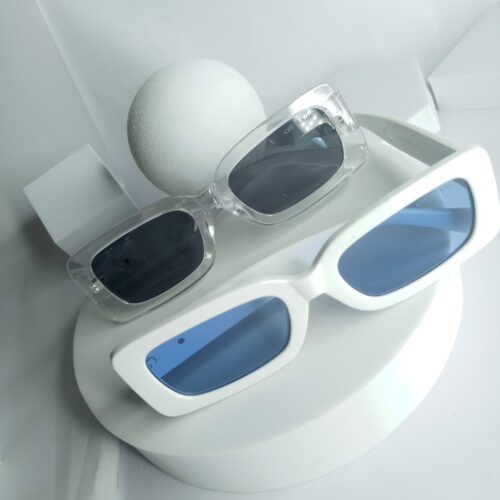
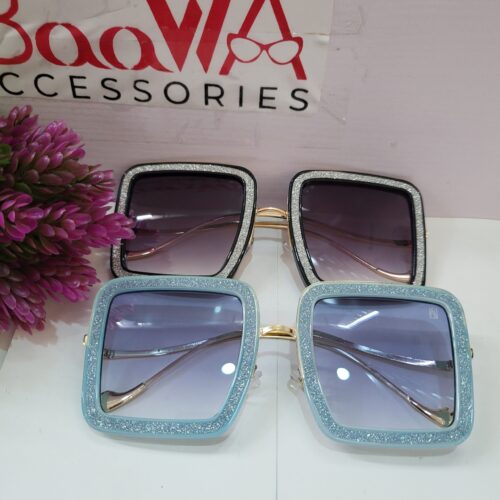
Your signature look is just a click away. Before you go, take a look at these exclusive markdowns on our top-rated wristwatches and designer eyewear.
Premium quality doesn't have to break the bank. Secure your favorite accessories today with safe bank transfers and reliable delivery across all 36 states in Nigeria.
Polarized or Non-Polarized Sunglasses: Do Nigerians Really Need It?
Polarized vs non polarized sunglasses: which makes sense for Nigerian drivers, beachgoers, and city wearers? See the honest breakdown and shop the picks.
Step outside on a sharp Lagos afternoon without sunglasses and your eyes squint, water, and start to ache within minutes. The glare bouncing off car windscreens, painted walls, and the lagoon is brutal even in dry season.
Nigerian buyers shopping for proper shades quickly hit the same question at the counter. The polarized vs non polarized sunglasses choice changes the price tag, the bag it comes in, and the feel of the lens itself.
Below is a clear-eyed look at what each lens actually does, who genuinely needs which kind, and the practical features to look for before paying for any pair on the shelf.
The Problem: Glare That Steals Vision and Comfort
Many Nigerians experience the same daily struggle. Bright sunlight ricochets off polished car bonnets, painted walls, glass towers in Victoria Island, and wet roads after the first rains. The result is a flood of unfocused light hitting the eye from every angle. Squinting becomes automatic. Headaches creep in by afternoon. Driving feels harder because the road signs and other cars wash out at the wrong moments.
This is far more than a small comfort issue. Studies suggest that long, repeated exposure to intense glare contributes to digital eye strain, faster eye fatigue, and dryness over time. Outdoor workers, drivers, traders at open-air markets, and weekend joggers all carry a heavier glare load than they realise. Even in short bursts, harsh reflective glare can disrupt judgement of distance and colour, which matters most on busy roads and crowded pavements during rush hour.
A good pair of shades is the first line of defence, and the lens type inside the frame decides how well it does the job. The full Sunglasses selection includes both polarized and non-polarized options, so the choice comes down to how and where you wear them, not whether you should bother in the first place.
Why Polarized vs Non Polarized Sunglasses Behave So Differently
Light from the sun travels in many directions. When it bounces off a flat surface like a road, a car bonnet, or water, most of those light waves line up horizontally. That horizontal wave of reflected light is the harsh glare that hurts your eyes and washes out colour from everyday scenes.
Plain non-polarized sunglasses simply darken everything they receive. They cut overall brightness but treat horizontal glare and ordinary light the same. According to the American Academy of Ophthalmology explainer on polarized lenses, polarized lenses carry a chemical filter that blocks horizontal light specifically, while letting most vertical light through. The result is a calmer image where reflections fade and detail returns to view.
This is why polarized lenses feel almost magical the first time you wear them near water, on a long stretch of tarred road, or at a tiled poolside. Glare you did not even register starts disappearing, and your eyes relax in a way that surprises you.
Many people experience less eye fatigue at the end of the day after switching from a regular dark lens to a polarized one for outdoor stretches. The cumulative effect across a week of driving or fieldwork can be noticeable, especially for commuters facing rush-hour sun every single morning.
What Actually Helps With Glare and Eye Strain
The honest answer is that experts generally recommend any sunglasses with proper UV protection over no sunglasses at all. UV protection should be the first feature on the label. Without it, even a dark lens lets damaging ultraviolet light through and gives your eye a false sense of safety while pupils dilate in the shade.
Polarized lenses add a comfort upgrade on top of UV protection. Many wearers experience less squinting, sharper colour contrast, and easier driving in bright sun once they swap from a basic dark lens to a polarized one. According to health-information guidance on polarized lenses, the benefit is most noticeable around reflective surfaces such as water, sand, and metallic car bodies, all of which Nigerian drivers and beachgoers see often during the dry season.
That said, polarized lenses come with one trade-off worth flagging. They can make LCD screens, including phones, car dashboards, and ATM panels, look dim or rainbow-tinted from certain angles. Drivers who depend heavily on a digital dashboard or pilots reading cockpit gauges sometimes prefer non-polarized for that reason. For everyday Lagos commute or a Saturday at the beach, the trade-off rarely shows up in a way that bothers most wearers in practice.
Habits help too. The 20-20-20 rule from eye-care literature suggests looking away from screens every twenty minutes to a point at least twenty feet away for twenty seconds. Pair that with the right lens type outdoors and your eyes get a fair daily break from harsh light loads, which adds up over weeks and months.
Hydration also matters more than people credit. Dry eyes get irritated faster under bright light, so a glass of water in the heat genuinely takes some load off your vision. Pair good hydration with good lenses and you cut down those late-afternoon headaches sharply across the week.
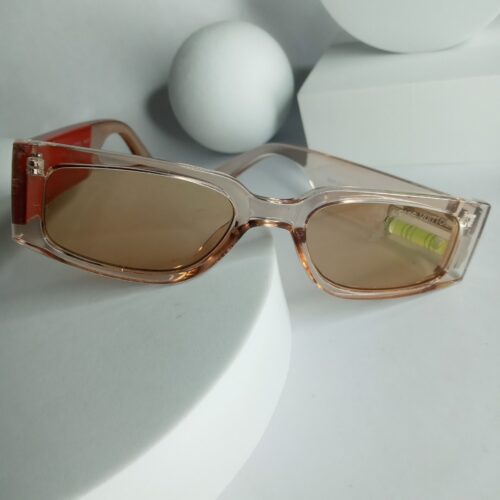
For style-led shoppers, non-polarized fashion shades still work hard if they carry proper UV blocking. The Fashion Glasses range is full of pieces that mix style with adequate sun protection, which is the right pick for short city errands and indoor-outdoor days where you slip the shades on and off frequently.
What to Look For When Buying Sunglasses
Match the lens to where you spend your daylight hours. Use this short checklist before paying for any pair on the shelf:
UV 400 or 100 percent UVA and UVB protection clearly printed on the label or sticker
Polarized layer if you spend a lot of time driving, at the beach, or on water
Lens material that resists scratches, such as polycarbonate or treated glass
A snug bridge fit that does not slide down your nose mid-conversation
Frame size that covers from brow to cheekbone for full coverage
A storage pouch or case included so the lenses survive the bottom of your bag
Try the shades on in shaded and sunlit spots before paying. Lenses can look very different at the till than on the street, and the polarized layer is easiest to test by tilting your head while looking at a glass window or a polished surface.
Heritage shapes hold up across many years. The Men’s Aviator Glasses range carries classic teardrop shapes that pair well with both polarized and non-polarized lenses, depending on how you plan to wear them day to day around town.
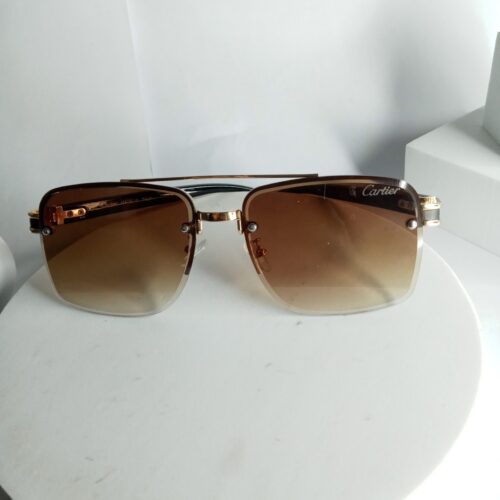
Designer-led variations on the same shapes sit in the Designer Glasses range for buyers who want a more elevated finish without giving up the eye protection benefits of a good sun-rated lens behind the brand stamp.
Wrap-up
The polarized vs non polarized sunglasses debate has a simple practical answer. If you drive, fish, or spend hours near water and bright surfaces, polarized is the comfortable, eye-friendly pick. If you mostly wear shades for short city trips or style, a quality non-polarized pair with full UV protection still does the protective job your eyes need.
Whichever side you lean, never skip UV protection on the label. Ready to find a pair that suits your daylight routine? Browse the full Sunglasses selection for both lens types in current Nigerian sizing and price ranges.