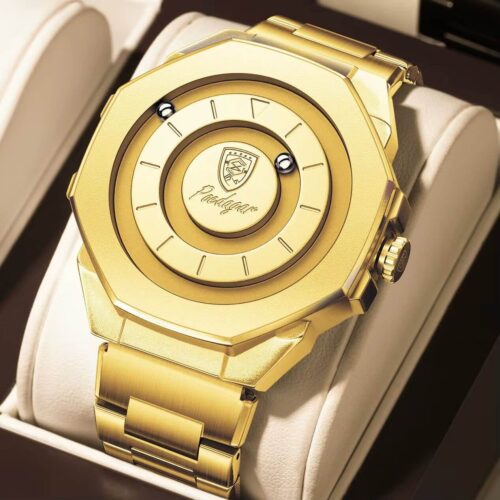
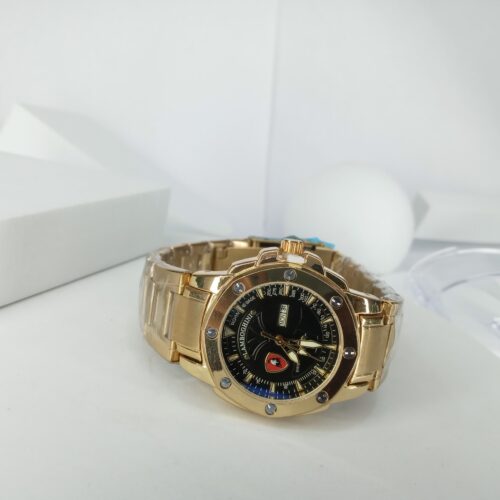
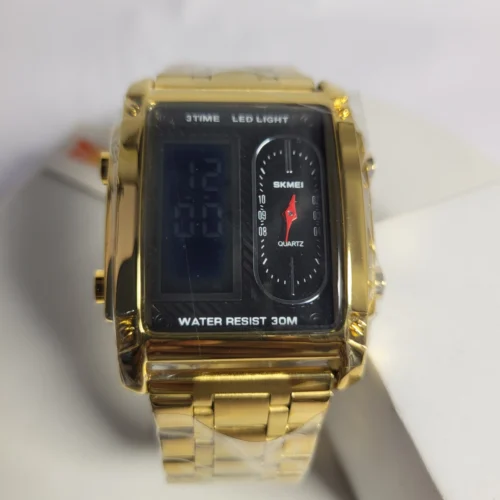
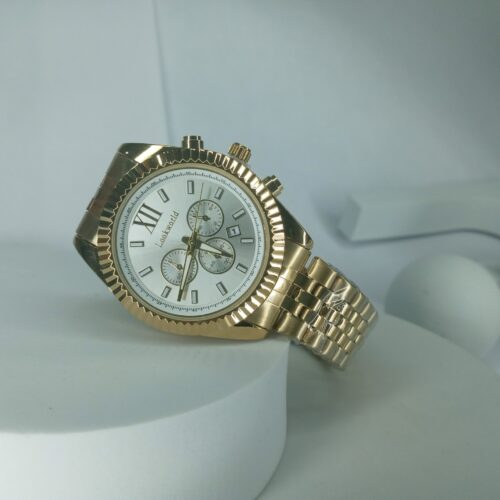
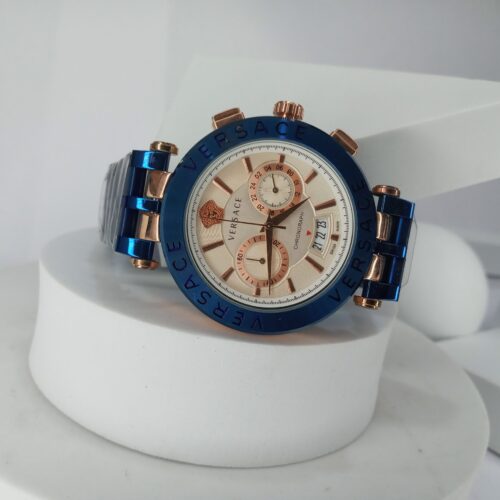
Your signature look is just a click away. Before you go, take a look at these exclusive markdowns on our top-rated wristwatches and designer eyewear.
Premium quality doesn't have to break the bank. Secure your favorite accessories today with safe bank transfers and reliable delivery across all 36 states in Nigeria.
Step-by-Step: How to Clean a Stainless Steel Watch Band
Learn how to clean a watch metal band safely in seven steps. Soft tools, gentle soap, no scratches. Keep your stainless steel bracelet bright for years.
A stainless steel watch band starts every day looking sharp and ends most weeks looking dull. Sweat, sunscreen, lotion, and dust settle into the gaps between links, and the once-bright bracelet picks up a faint grey film.
The good news is that you can clean watch metal band buildup at home with two cheap tools and ten quiet minutes. No expensive products, no risky chemicals, no trip to a jeweller.
This guide walks through the routine the way a careful watchmaker would, and shows you how to do it without scratching a single surface.
Why Learning to Clean a Watch Metal Band Properly Matters
Stainless steel looks tougher than it is. The surface is bright because of careful polishing and brushing during manufacturing, and that finish wears under repeated abrasion. A wrong sponge, a rough toothbrush, or a single wipe with kitchen scrubbing pad can leave permanent swirl marks across an otherwise flawless bracelet.
Buildup is also bad news for the skin. Trapped soap, sweat, and old lotion under the links can cause itching and a faint rash, especially in the humid stretch of the Lagos rainy season. Pieces from Stainless Steel Watches are designed to last for decades, but only with a small care ritual built into the week.
Brands have offered guidance for years. The team behind the Timex stainless steel cleaning guide covers the basics nicely, and their advice maps well onto any quality bracelet you own.
What You Need Before You Start
Most of the kit lives in your kitchen or bathroom. Gather these and lay them out on a soft towel.
A soft microfibre cloth.
A soft-bristled toothbrush, brand new and dedicated to this job.
Lukewarm water in a small bowl.
One drop of mild dish soap, free of bleach or grit.
Set aside fifteen minutes. The steps below cover everything from removal to polish.
Step 1: Remove the Watch From the Band
Use a spring bar tool to release the bracelet from the case. If you do not own one, a steady hand with a thin paper clip can do the job at a pinch. The watch head must stay completely dry, since water near the crown is how good movements die early.
Place the watch head aside on a clean cloth. Cover it with a small box if children or pets share the room. You only need the bracelet in front of you for the next ten minutes.
Step 2: Knock Out the Loose Dust
Hold the bracelet over a bin and tap it gently against your palm. You will see a surprising amount of dust and lint fall out from between the links. This first knock-out makes the rest of the clean far easier.
If you can see fluff still trapped in the links, use a wooden toothpick to coax it out before the bracelet meets water. Wet lint becomes much harder to dislodge once it sticks to the metal surface.
Step 3: Prepare the Soap Bath
Fill the bowl with lukewarm water and add one drop of mild dish soap. Avoid detergents that include bleach, lemon, or grit. Steel handles mild soap well, but harsh chemicals can pit the surface or strip protective coatings on PVD-finished bracelets.
Step 4: Brush the Bracelet Gently
Dip the soft toothbrush into the soapy water and gently brush each link. Work from buckle to lugs, paying attention to the gaps where dirt collects. Use small, controlled strokes. Heavy pressure is unnecessary and risks tiny scratches that mar the finish.
Brush the underside with extra care. The surface that sits against your wrist holds the most sweat residue, and it is the part most likely to cause skin irritation if you skip it. Curious owners can compare techniques with the Marathon Watch stainless steel guide for a second opinion.
Step 5: Rinse Thoroughly
Run lukewarm water over the entire bracelet for thirty seconds. Move the links under the stream so water flows through every gap. Soap left behind dries to a faint white film that quickly attracts dust again, so a careful rinse really matters.
Tilt the bracelet at different angles to help the water reach the clasp interior. A toothpick can also tease out stubborn residue trapped in the clasp mechanism.
Step 6: Dry With a Microfibre Cloth
Pat the bracelet dry with one cloth, then polish gently with the second. Work in the direction of the brushed finish where possible. Cross-grain wiping is fine on polished sections but never on brushed ones, since you can blur the brush lines.
Leave the bracelet on a clean towel for five minutes to air-dry any last drops. Storage with even a hint of moisture invites rust around the clasp springs.
Step 7: Reattach the Bracelet
Slide the spring bars back into place. Listen for the small click on each side. Give the bracelet a gentle tug to confirm the bars are seated. A bracelet that pops off mid-day is the fastest way to lose a beloved piece, so this last check matters.
While the bracelet is off, inspect the spring bars themselves. Bent or rust-spotted bars are cheap to replace and worth swapping out during the clean. Keep a small set of spares in your watch drawer for exactly this moment.
Common Mistakes to Avoid
The list below covers traps that turn a careful clean into damage.
Cleaning with the watch head attached. Water near the crown kills movements.
Using metal polish or jewellery dip. Both can strip PVD coatings.
Scrubbing with a kitchen sponge. Abrasive pads dull the finish.
Skipping the rinse. Soap residue attracts new dust within hours.
Drying with paper towels. Fibres catch on the brushed surface.
Storing while damp. Trapped moisture leads to clasp corrosion.
When to Call a Watchmaker
Some jobs are above the home routine. A pin that will not release, a clasp that has stopped clicking, or visible pitting on the surface all call for a professional eye.
Quality chain pieces like those from Men’s Chain Watches Nigeria usually warrant a paid service visit once a year. A trained watchmaker can refinish a tired bracelet and bring it close to factory shine.
The same logic applies on the ladies’ side. A bracelet from Women’s Chain Watches Nigeria can quietly accumulate sweat, foundation residue, and tiny fragments of perfume residue across a year of daily wear. A yearly refinish keeps the shine looking new.
Pair that with a few smart tools from our Accessories range for ongoing care between visits. Even a small dedicated brush and a fresh microfibre cloth stretch the time between professional services considerably.
Wrap-up
A clean stainless steel band reflects the way you carry yourself. Bright, sharp, ready for any room. The routine takes fifteen minutes a fortnight and protects a piece that should outlast every smartphone in your drawer.
Pick up a microfibre cloth this week, dedicate a soft toothbrush to the cause, and build the habit. To upgrade or replace, swing by Stainless Steel Watches and pick a piece worth that quarter-hour of attention.