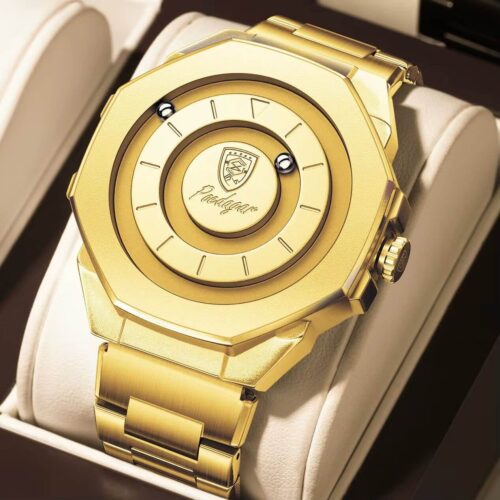
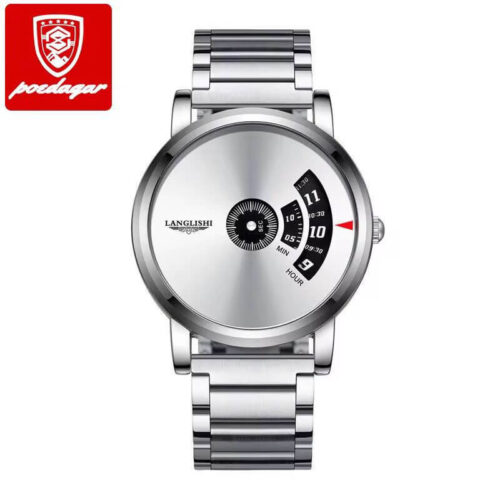
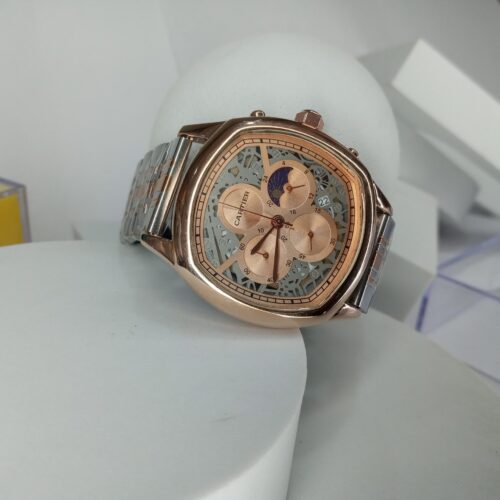
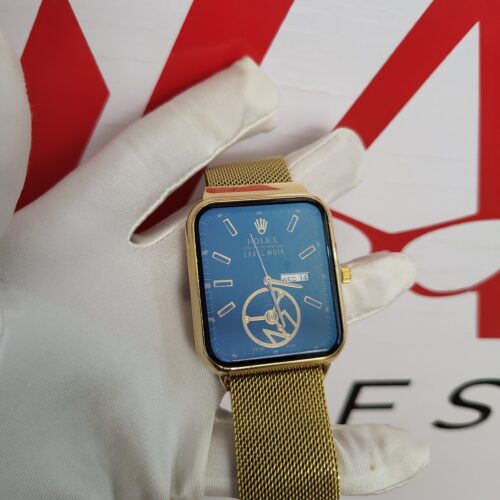
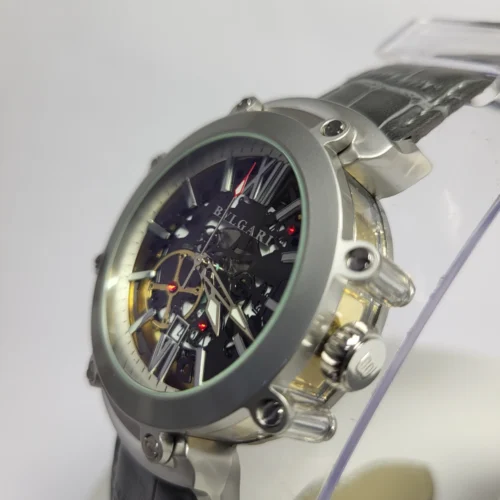
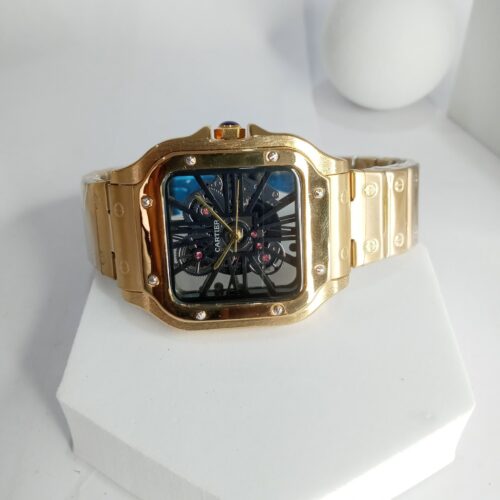
Your signature look is just a click away. Before you go, take a look at these exclusive markdowns on our top-rated wristwatches and designer eyewear.
Premium quality doesn't have to break the bank. Secure your favorite accessories today with safe bank transfers and reliable delivery across all 36 states in Nigeria.
Why Did My Automatic Watch Stop and How Do I Fix It?
When your automatic watch stops, the cause is usually small. Six fixes you can do at home, common mistakes to skip, and when to see a watchmaker. Start here.
Few moments are quieter than the one when your automatic watch stops at exactly 4:17 in the morning. The piece you paid good money for sits silent on the dresser, and your first thought is that something serious has broken.
The truth is usually far less dramatic. Most stoppages come from one of three boring causes, and almost all of them are fixable in minutes without a single trip to a watchmaker.
This guide walks you through the diagnosis, the wind-back, and the small habits that keep your watch ticking through next month and the one after.
Why Your Automatic Watch Stops in the First Place
Automatic watches feed off your wrist movement. A small weighted rotor swings as you walk, winds the mainspring, and stores enough energy to keep the watch running for a day or two of rest. The official term is “power reserve”, and most modern movements carry between thirty-eight and fifty hours of it.
When your automatic watch stops, the mainspring has simply run down. That can happen because you wore it on a sedentary day, you left it on the dresser for the weekend, or the lubrication inside is overdue for service. The team at Longines power reserve explainer covers the basics, and their notes apply to almost any quality automatic on your wrist.
For pieces from Automatic Watches, a quick morning wind sorts most issues. Service intervals are a separate matter, but the everyday stop is rarely a sign of damage.
What to Inspect Before You Panic
Run through this short checklist before assuming the worst. Most automatic stoppages reveal themselves in two minutes.
Time since last wear. Three days untouched usually drains the spring fully.
Crown position. A crown left in the time-setting position blocks normal winding.
Recent shock. A solid bump can unseat the rotor briefly.
Temperature exposure. Cold weather thickens lubricants.
Recent magnetisation. Phones, speakers, and laptop magnets can stop a watch dead.
Service history. Anything past five years without service is a candidate for fresh oil.
The Step-By-Step Fix
Work through these six steps in order. Each one rules out a likely cause without any tools.
Step 1: Confirm the Crown Is Fully In
Look at the crown closely. If it sits even slightly out, the watch cannot wind itself. Push it gently back to the case until it clicks home. Try a few wrist swings and watch the seconds hand. A movement that springs to life immediately tells you the crown was the only issue.
Step 2: Hand-Wind the Watch
If the crown is seated and the watch is still dead, give it a manual wind. Pull no further than the first position, then turn the crown forward (toward twelve o’clock) twenty to thirty times. You should feel a small, smooth resistance with each turn. The seconds hand should start sweeping within a few seconds.
Avoid winding past resistance. Modern movements include a slipping clutch, but older or cheaper pieces can stress the spring if you force it. Twenty to thirty turns is a safe ceiling.
Step 3: Set the Time and Date
Once the watch is running, pull the crown to its full outer position to set the time. Move the hands forward, never backward, especially between nine in the evening and three in the morning. That window is when the date wheel engages, and reversing through it can damage the calendar mechanism on many movements.
Most pieces in our Men’s Analog Watches selection follow the same rule. Set the date by advancing through twenty-four hours, then set the time.
Step 4: Wear It Actively for a Day
A freshly wound watch needs movement to top up. Put it on for a normal day of typing, walking, and gestures. By evening, the rotor will have added several hours of reserve. Sedentary days at a desk often leave a watch under-wound, which is why office workers see overnight stoppages more often than active wearers.
If you live a sit-heavy life, build in tiny movement habits. Take a short walk during lunch, swing your arms a little when you stand up, and skip the temptation to leave the piece on your desk for hours. Small, regular wrist activity keeps the rotor doing its job.
Step 5: Test for Magnetisation
If the watch starts running but loses time at a wild rate, suspect magnetism. Phones, speakers, induction cookers, and laptop hinges all carry small magnetic fields. Lay a compass next to the dial. If the compass needle twitches, the watch is magnetised.
The fix is a paid demagnetisation at any decent Lagos or Abuja watchmaker. It costs less than a Friday lunch and takes a minute. After the visit, build a tiny habit of resting your watch a few inches from your phone overnight so the next round of magnetism is years away.
Step 6: Book a Service if the Symptoms Return
If your watch stops within twenty-four hours of a full wind despite normal wear, internal lubricant is likely dried out. Most movements need a service every four to six years. The Rotate Watches troubleshooting walkthrough goes deeper into service-grade issues for owners curious about what happens inside.
Common Mistakes Owners Make
The habits below cause more automatic stoppages than any single mechanical fault.
Leaving the crown out after setting the time.
Storing on a flat dresser when you only wear one watch a week.
Skipping the morning hand wind on light-activity days.
Setting the date backwards through midnight.
Resting the watch next to phones, speakers, or magnets.
Ignoring service intervals because the watch still seems fine.
When to Take It to a Watchmaker
Some symptoms are out of your hands. A loud clicking from the rotor, a crown that will not screw down, water inside the crystal, or a seconds hand that drags or skips all call for professional attention.
Premium pieces from Premium Watches often carry warranty cover for the first one or two years. Use it. Authorised service is the safest route for high-value movements and protects resale value down the line.
The same logic applies to top-tier collections. A piece from Men’s Luxury Watches deserves the original manufacturer’s service network for the first decade of ownership. Independent watchmakers can come into play later, but only ones with a strong track record and genuine spare parts on hand.
Always ask for a written quote before any service starts. A reputable watchmaker will examine the piece, give you a clear cost, and explain exactly what they will replace. Anyone unwilling to walk you through the work is the wrong shop, no matter how convenient the location.
Wrap-up
An automatic watch that stops is rarely a broken watch. Nine times out of ten, it is a watch that needs a wind, a wear, or a small habit change to get back into rhythm.
Build the morning hand-wind into your routine and most stoppages disappear quietly. Keep an eye on the service calendar, store the piece flat on a soft surface, and treat the crown like the small precision component it is.
To browse pieces built for daily life, swing by Automatic Watches and pick something that fits your wrist and your week.