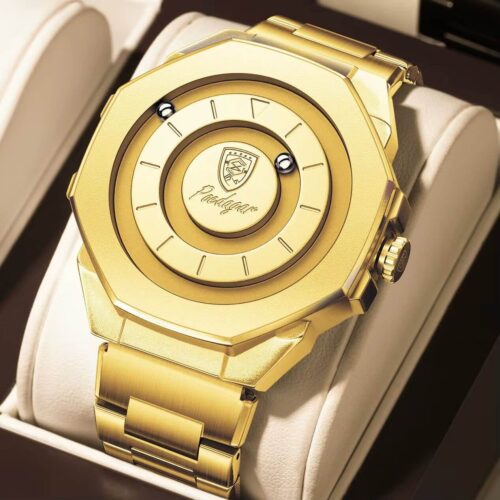
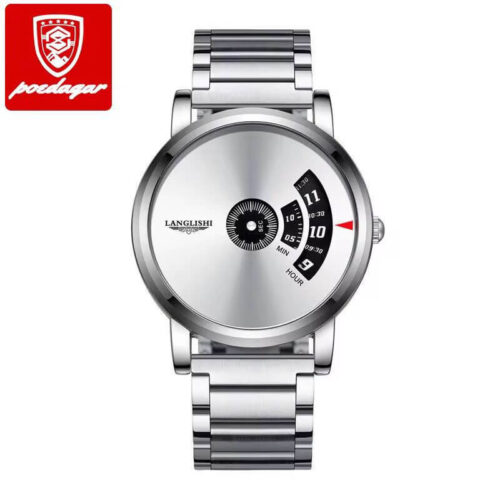
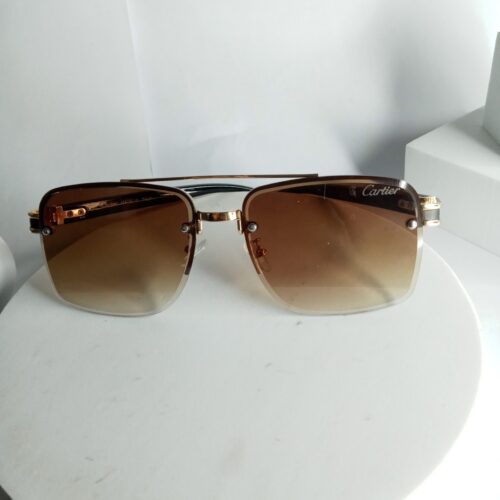
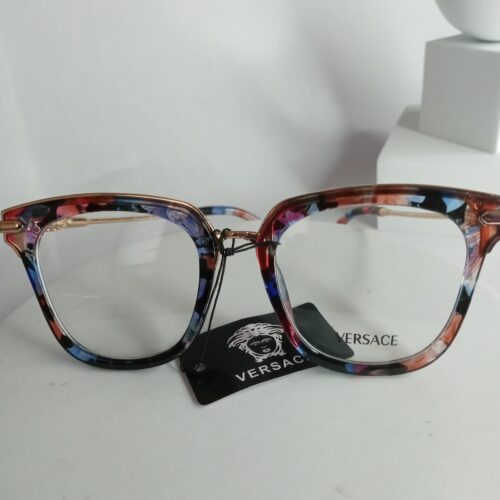
Your signature look is just a click away. Before you go, take a look at these exclusive markdowns on our top-rated wristwatches and designer eyewear.
Premium quality doesn't have to break the bank. Secure your favorite accessories today with safe bank transfers and reliable delivery across all 36 states in Nigeria.
How to Clean Your Eyeglasses Without Scratching the Lenses
Clean glasses lenses the safe way without scratching them. Follow this 5-step routine, avoid the common mistakes, and keep your vision sharp every day.
Smudges on your glasses are annoying. Tiny scratches from the wrong cleaning habit are worse, because once they appear, they never leave.
Learning how to clean glasses lenses the right way takes about three minutes to read and a lifetime to benefit from. Many Nigerians ruin good lenses by using the same paper napkins and shirts they reach for every day.
This guide walks you through the safe routine, the tools you actually need, and the small mistakes that quietly scratch your favourite frames.
Why Cleaning Your Lenses the Right Way Matters
Scratched lenses are not a small annoyance. They distort the image you see, increase eye strain, and force your eyes to work harder to compensate. Over time this can trigger headaches, especially during long screen sessions. A quality pair from the BaaWA Eyeglasses collection deserves a cleaning routine that protects the investment, not one that quietly destroys it.
Most lens damage in Nigeria comes from a handful of bad habits. Using a shirt edge to wipe off dust. Cleaning with tissue paper. Spraying random household cleaners on coated lenses. Each one feels harmless in the moment but adds up to permanent damage over months.
The good news is that the right routine is fast and simple. Once you make it a daily habit, your lenses can stay clear for years instead of needing replacement after twelve months.
The economics matter too. A single lens replacement in Nigeria can cost anywhere from fifteen thousand to seventy thousand naira depending on the prescription and coating. A bottle of dish soap and two microfibre cloths cost less than two thousand naira combined, and they last for many months.
What You Need to Clean Your Lenses Properly
You do not need expensive kits or fancy sprays. The right basic supplies cover ninety percent of cleaning situations and protect even coated, anti-glare, or photochromic lenses.
A microfibre cloth. The single most important tool. Keep at least two so one is always clean.
Lukewarm running water. The safest first step before any wiping.
A drop of plain liquid dish soap. A mild fragrance-free version works best.
A pre-moistened lens wipe for the occasional cleaning on the go.
Proper storage. A clean case or a soft pouch from the BaaWA Accessories range keeps the lenses safe between wears.
The Safe Step-by-Step Routine to Clean Glasses Lenses
Step 1: Rinse Off Dust First
Hold the glasses under lukewarm running water for a few seconds. This single step washes away the loose dust and grit that would otherwise act like sandpaper under a cloth.
Skip this step and you risk dragging hard particles across the lens surface every time you wipe. Even a soft microfibre cloth can cause scratches when invisible dust sits between it and the lens.
Step 2: Apply a Drop of Dish Soap
Add a small drop of mild liquid dish soap to your fingertip. Gently rub the soap across each lens surface, including the edges where dust collects. The soap lifts oil, sunscreen residue, and fingerprints that water alone cannot reach.
According to the American Academy of Ophthalmology guide on cleaning eyeglasses, mild dish soap is one of the safest cleaning agents for everyday lens care. Avoid ammonia, bleach, vinegar, and window cleaner, since each can break down protective lens coatings over time.
Step 3: Rinse Thoroughly
Rinse the lenses again under lukewarm running water. Make sure every trace of soap is washed away, including around the nose pads and the hinges where residue tends to hide.
Hot water is a quiet enemy here. It can soften certain frame materials and weaken lens coatings on prescription glasses, especially the prescription glasses range with anti-reflective layers. Stick to lukewarm always.
Step 4: Pat Dry With a Clean Microfibre Cloth
Gently pat the lenses dry with a clean microfibre cloth. Do not press hard or scrub. Light wiping motions in small circles lift the moisture without dragging fibres across the surface.
According to Healthline’s lens cleaning guide, microfibre cloths are designed to trap dust at a microscopic level without scratching. Paper towels and tissues, by contrast, have wood fibres rough enough to leave faint marks after repeated use.
Step 5: Inspect Against Bright Light
Hold the glasses up to a window or lamp and check for streaks or remaining smudges. A second light pass with the dry cloth usually clears anything left behind.
This final inspection step trains your eye to spot dust and smears before they become big problems. After a week of doing this, the whole routine takes under one minute.
Common Mistakes to Avoid
Even careful wearers fall into the wrong habits. Watch out for these traps so the routine above stays effective month after month.
Wiping dry lenses. Any dust sitting on the surface becomes a scratch when dragged with a cloth. Always rinse first.
Using tissue, toilet roll, or napkin. All three contain wood pulp fibres rough enough to scar lens coatings over time.
Using a dirty microfibre cloth. A cloth full of trapped grit damages more than it cleans. Wash microfibre cloths every two weeks with mild soap and air dry them.
Putting glasses face down on a surface. Even soft surfaces leave fine scratches with repeated contact. Always rest lenses up or use a case.
Ignoring designer pairs. Premium frames from the designer glasses collection need the same care as any other pair. Coated lenses do not become indestructible just because the frame is fancy.
When to Seek Professional Help or Replace
If scratches show up despite your best efforts, take the glasses to an optician. Light surface scratches sometimes polish out, but deeper scratches usually mean the lens needs replacement. Trying to buff them out at home with toothpaste or wax often makes things worse, and many home methods strip the protective coatings instead of restoring them.
Replace the lenses entirely when the coating starts peeling, when scratches are in your direct line of sight, or when cleaning no longer produces clear vision. A clean new lens with a fresh anti-glare coating dramatically improves daily wear.
For wearers in dusty regions like the northern parts of Nigeria during harmattan, lens coatings tend to wear down faster. Schedule a coating check with your optician once a year and a full lens replacement every two to three years to keep your vision crisp.
Travel cases matter at the replacement stage too. A soft pouch protects your new lenses from the same daily damage that wore down the old ones. Reach for the case every single time the glasses leave your face, rather than waiting until you happen to recall the habit. The little routine adds maybe two seconds to your day and pays off for the entire life of your eyewear.
Wrap-up
Learning how to clean glasses lenses the right way is one of the smallest habit changes with the biggest payoff. Three minutes a day saves you from buying new lenses every year and keeps your vision sharp at work, at home, and on the road.
Ready to give your eyes a fresh start? Browse the BaaWA Eyeglasses collection for a new pair that deserves your better cleaning routine from day one.