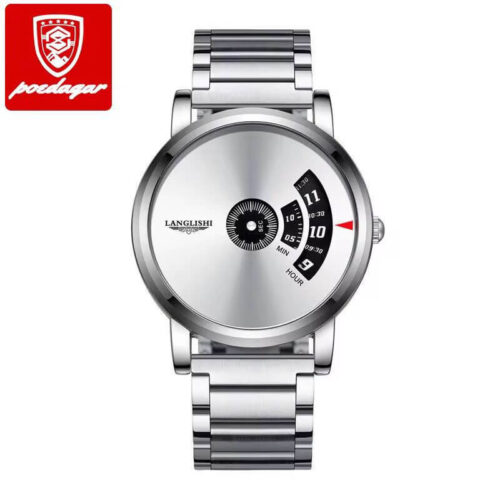
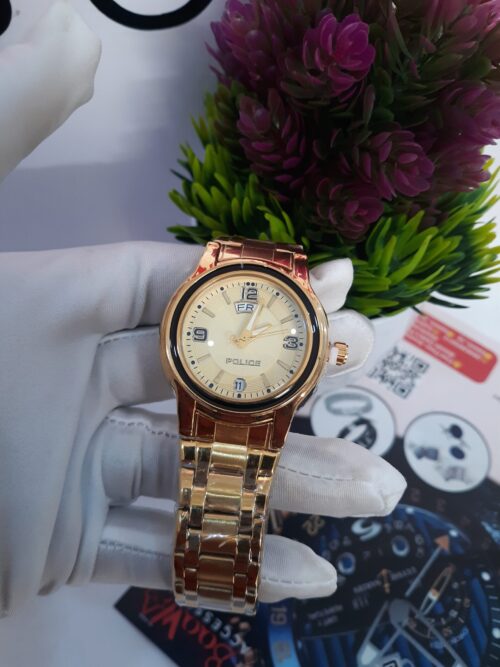
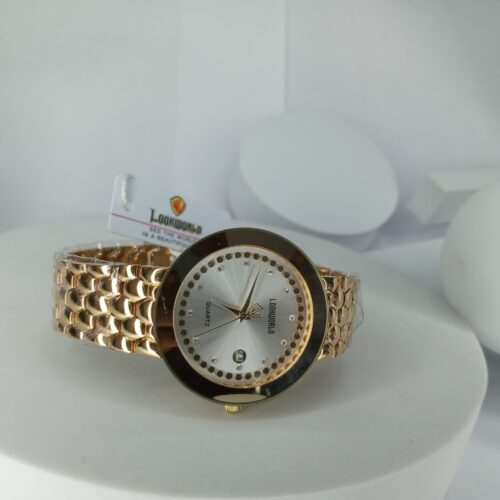
Your signature look is just a click away. Before you go, take a look at these exclusive markdowns on our top-rated wristwatches and designer eyewear.
Premium quality doesn't have to break the bank. Secure your favorite accessories today with safe bank transfers and reliable delivery across all 36 states in Nigeria.
How Often Should You Change Your Quartz Watch Battery in Nigeria?
Wondering how often to change watch battery cells in Nigeria? Learn signs, timing, and the right DIY steps before your quartz watch dies. Shop quartz at BaaWA.
One morning the second hand on your favourite watch starts twitching, jumping two or three ticks at a time. By lunchtime, it has stopped completely. A dead battery is rarely dramatic. It just quietly happens, usually at the worst moment.
If you wear a quartz watch in Nigeria, learning when to change watch battery cells before they fail is one of the smartest habits you can build. It protects your timepiece, your wallet, and your reputation for being on time.
Here is how often you should swap that little cell, and what most Nigerians get wrong about the process.
Why Knowing When to Change Watch Battery Cells Matters
A leaking battery is the number one killer of affordable and mid-range quartz watches. The cell swells, fluid seeps out, and within weeks the movement is corroded beyond repair. The repair bill almost always exceeds the price of the watch itself. Most pieces in our quartz watches range are built to last for years if the battery is changed on schedule.
There is also the embarrassment factor. A watch that stops in the middle of a job interview, a wedding photo, or a client meeting tells a story you did not write. A simple cell swap once every two to three years keeps that story off your wrist.
How Long a Quartz Watch Battery Actually Lasts
For a standard time-only quartz watch, expect the cell to run for two to three years. Some basic analog models stretch to four years, while watches with extra functions like a chronograph or alarm drain faster and may need a change every twelve to eighteen months.
Nigerian conditions add another variable. Constant exposure to heat, sweat, and the long stretches when a watch sits unused inside a humid drawer all shorten battery life. A piece left in a hot car dashboard for weeks will lose months of useful runtime. The team at Watchfinder put together a clear breakdown on how long a quartz battery lasts that is worth reading if you own multiple watches.
If you rotate between several pieces, the unworn watches still drain a little. Quartz cells discharge whether the watch is on your wrist or sitting in a drawer, and most lose around two percent of their charge every month even when idle. The fix is simple. Keep a small notebook or a note on your phone with the date you last replaced each battery, and you will never be caught by surprise again.
Owners of solar-powered quartz watches get a longer runway. A well-cared-for solar piece can hold its charge for ten years or more before the rechargeable cell finally gives in, but it still needs sunlight every few weeks to stay healthy.
Signs Your Battery Is on Its Last Legs
Quartz movements give you a warning before they die. The trick is knowing what to listen and look for.
The second hand jumps in two-second or four-second intervals instead of a steady tick
The watch loses or gains noticeable time within a single week
The dial backlight (on watches with one) becomes dimmer than usual
Condensation appears under the crystal where it never did before
The watch dies, runs for a few hours after a tap, then dies again
Any one of these is your cue to act. Two or more, and you are already running on borrowed time. For an everyday driver from our men’s watches selection, ignoring those signs is the fastest path to a corroded movement.
The Right Way to Change Watch Battery Cells
Step 1: Identify the Correct Cell
Open the caseback gently with a watch-case opener or take it to a trusted technician. Inside, you will see a flat round battery stamped with a code such as SR626SW, 371, or CR2025. Match that exact code when buying a replacement. Using a slightly different size or chemistry will either jam the movement or drain in months.
Silver oxide cells (SR codes) are the gold standard for watches because their voltage stays steady at 1.55 volts almost until the very end. Cheap alkaline equivalents (LR codes) start at 1.5 volts and slope downward, which causes that telltale time drift before the watch dies completely.
Step 2: Prepare a Clean, Static-Free Workspace
A quartz movement is sensitive to dust, hair, and static. Lay a clean white cloth on a hard surface, wash and dry your hands, and avoid wearing wool clothing while you work. Position the watch under a bright lamp so you can see every component before you touch it.
Step 3: Remove the Old Battery
Use plastic or non-magnetic tweezers, never the steel kitchen kind. Metal tweezers conduct current between the contacts and can fry the circuit instantly. Slide the tweezer tip under the battery clip, lift gently, and let the cell pop free. Note its orientation. Most watches use the positive side facing up, but a few do the opposite.
Step 4: Install the New Battery
Slide the new cell in with the same orientation as the one you removed. Press it down until it sits flat under the clip. Avoid touching the flat faces of the battery with bare fingers because skin oils can shorten its life. If your fingers must touch it, wipe the cell with a soft tissue before installing.
Step 5: Close and Reset the Watch
Inspect the gasket inside the caseback for cracks or dryness. Replace the caseback firmly, then test the seconds hand for a smooth, even tick. Pull the crown out, reset the time and date, and push the crown firmly back in. Your watch should now run cleanly for the next two to three years.
Give the piece twenty-four hours of wear before any contact with water. Even a properly closed caseback needs time for the gasket to settle back into its groove, and a hasty shower right after a battery change is a popular way to ruin an otherwise healthy watch.
Common Mistakes to Avoid
Most failed home swaps fall into a short list of avoidable errors. Skim this before you reach for any tools.
Forcing the caseback open with a kitchen knife instead of a proper opener
Buying a generic AG-coded battery from a roadside vendor without checking the equivalent SR code
Skipping the gasket inspection and losing water resistance afterwards
Leaving a dead battery inside the watch for weeks (corrosion starts within days)
Magnetising the movement by handling the cell with steel tools
Pairing a new cell with a worn gasket on a watch that will get rained on
If you treasure the piece, take it to a workshop with a pressure tester. A clean cell swap with a fresh gasket and a water-resistance check usually costs about the price of two bottles of premium engine oil. Pieces from our women’s watches range often have slim casebacks that benefit from professional handling because the gasket grooves are tight.
When to Skip the DIY and Call a Pro
Some watches simply should not be opened at home. Anything with a rated water resistance above 50 metres, a screw-down caseback, or a sapphire crystal display back needs proper tools and a pressure test. The Hodinkee editorial team have written extensively about watch movements and servicing principles, and their archive of watch articles is a good place to learn the difference between a battery swap and a true service.
Higher-grade pieces from our men’s analog watches collection deserve that level of care because their movements are designed to last decades with proper attention.
Wrap-up
Knowing when to change watch battery cells is one of those quiet skills that separates owners who replace watches every two years from owners whose pieces still look fresh a decade later. Watch the second hand, listen for skipped ticks, and act before the cell leaks.
When you are ready for a quartz piece engineered to give you years of clean, accurate service, take a look at the curated picks in our quartz watches collection and pick the one that fits your wrist and your week. A small habit and a smart pick are all you need to keep proper time for years to come.