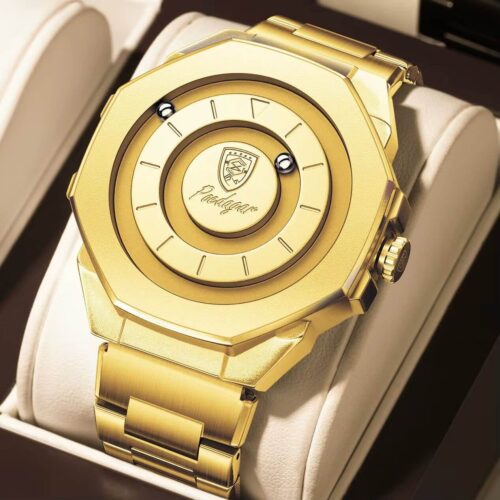
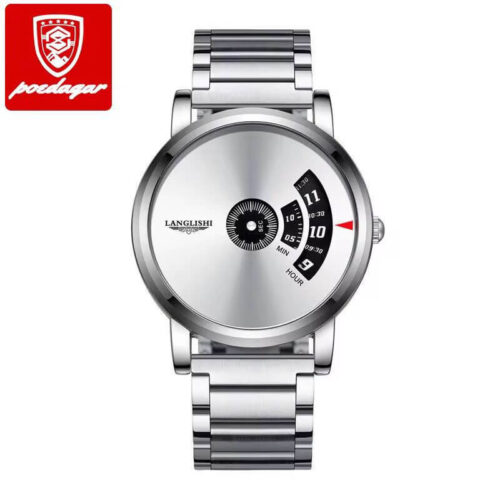
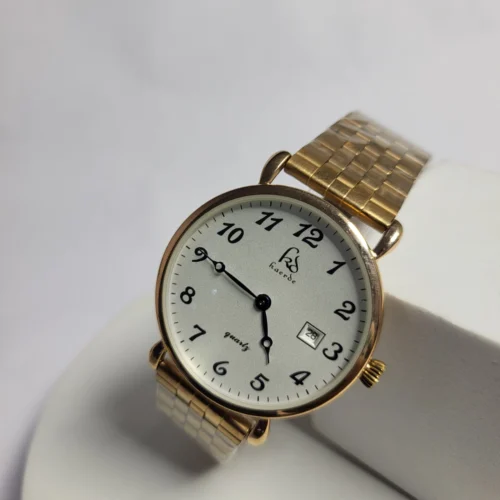
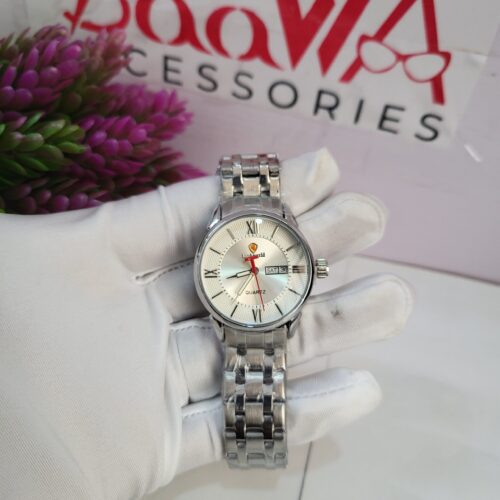
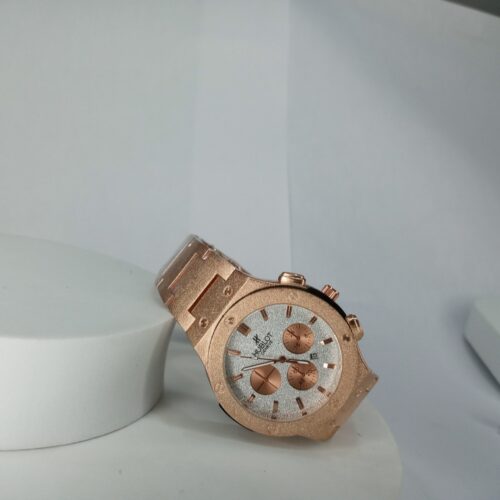
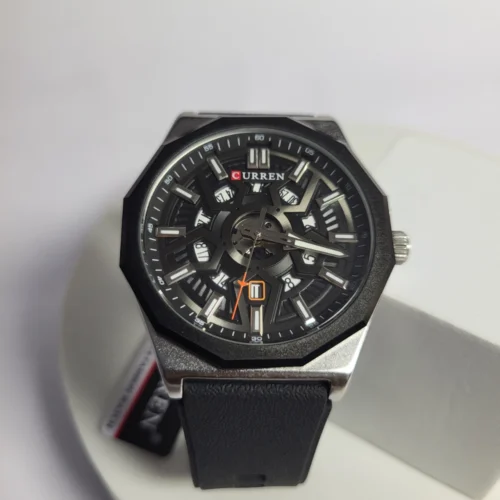
Your signature look is just a click away. Before you go, take a look at these exclusive markdowns on our top-rated wristwatches and designer eyewear.
Premium quality doesn't have to break the bank. Secure your favorite accessories today with safe bank transfers and reliable delivery across all 36 states in Nigeria.
Why Stainless Steel Watches Are the Most Durable Choice
Stainless steel watches stay strong in heat, sweat, and daily wear. See why 316L beats plated metal and how to pick one that lasts. Browse the range today.
Pick up any well-built wristwatch and you will almost always find stainless steel watches at the centre of the design. The metal sits inside the case, around the bezel, and across the bracelet because nothing else in mainstream watchmaking offers the same balance of price, looks, and toughness.
Nigerian buyers care about that toughness more than most. Heat, humidity, dust, and daily commutes punish a watch fast. A piece that flakes, rusts, or scratches in a year is a piece you will stop wearing in a year.
Here is what makes stainless steel the most durable choice, and how it compares with the other materials you will see in shops and online.
What Makes Stainless Steel Watches So Tough
Stainless steel is an iron alloy with a high chromium content, usually between 10 and 18 per cent. That chromium forms a thin invisible layer on the surface that protects the metal from rust and corrosion, even when sweat or rain sits on the case for hours. You can see the full range of stainless steel watches in our catalogue to feel how this plays out in real wrist time.
The grades used in good watches are 304 and 316L. The 316L grade is the one you want on your skin because it resists pitting from chlorine and salt and is hypoallergenic for most wearers. Premium pieces sometimes use 904L, the same grade Rolex made famous for its extra corrosion resistance.
Hardness matters too. Stainless steel sits between 150 and 200 on the Vickers hardness scale, which is harder than gold, harder than soft alloys, and tough enough to shrug off the small knocks that come from typing, driving, or carrying a bag. The technical overview of stainless steel alloys explains how chromium and nickel content shape these properties.
Stainless Steel Watches vs Gold and Plated Cases
A solid gold watch is beautiful, but pure gold is soft. Even 18-karat gold scratches under light use and dents on a hard surface. Plated cases are worse because the gold layer is often only a few microns thick and rubs off at the lugs and clasp within a year of daily wear. If you love the warm tone, our gold watches page sets out the trade-offs so you can decide between full plating, two-tone, and PVD finishes.
Stainless steel keeps its shape and finish for far longer. Light surface scratches polish out with a soft cloth or a quick service. Deep marks can be buffed by a watchmaker without affecting the structure of the case. That is why family pieces handed down in Nigeria are almost always steel and not plated metal.
Stainless Steel Against Rubber, Plastic, and Resin
Sport pieces sometimes come in resin or hard plastic cases. They are light and cheap, which is great for active wear, but the case material itself is softer than steel and can crack on impact. Rubber straps last a long time when matched with a steel case, and you can compare the lifespan of full rubber pieces in our rubber watches selection.
For the same active use, a steel case with a rubber or silicone strap usually outlasts an all-resin piece by years. You get water resistance from the steel back and crown, plus a soft strap that takes sweat without complaint. The case stays intact even after a drop on tile or concrete.
Stainless Steel and Water Resistance
Most water-resistant watches in the mid-price range rely on a steel case to seal the movement. The metal does not warp under pressure, holds gaskets in place, and lets the manufacturer screw the caseback tight without distortion. That is why dive watches and field watches almost always use steel rather than softer metals.
A clear breakdown of what water resistance ratings really mean is worth reading before you assume your 30m or 50m piece is shower-proof. Steel makes the rating possible, but seals still age and gaskets still wear, so testing every two years is the safer habit.
Why Stainless Steel Watches Suit the Nigerian Climate
The Nigerian climate is hot and humid for most of the year. Add sweat, sunscreen, and dust, and softer materials struggle. Brass and zinc-alloy cases tarnish within months. Cheap aluminum oxidises and turns chalky. Steel rides through all of it with light cleaning.
Pairing steel with the right strap matters too. A steel bracelet stays cool, dries fast, and is easy to wipe down at the end of the day. If you prefer a softer feel on the wrist, our leather watches page covers oil-treated straps that hold up better in humid weather. Either way, the case material is what protects the movement.
How to Spot a Real Steel Case
Counterfeit pieces sometimes use plated brass and call it steel. Three quick checks help you avoid them. First, check the weight. A real 40mm steel case usually weighs more than a plated brass one of the same size. Second, look at the lugs and edges for any flaking or colour change after a few months. Third, run a magnet near the caseback. Most watch-grade stainless steel is non-magnetic or very weakly magnetic.
Buying from a trusted shop is the best protection. Stick to sellers who name the case material clearly, show the caseback in photos, and back the piece with a written warranty. That alone removes most of the risk.
Finishes and Looks on Stainless Steel Watches
One reason stainless steel watches are so popular is the range of finishes you can put on them. Brushed steel softens reflections and hides micro-scratches. Polished steel looks formal and shiny under office light. A mix of the two on the same case gives a high-end look without any extra cost in materials.
If you want a darker tone, PVD coating bonds a thin layer of titanium nitride or similar metal onto the steel. The base case is still strong, and the finish stays put for years if you avoid harsh chemicals. Two-tone pieces with a thin gold accent give you a dressy look while keeping the durability of a steel core.
Caring for Stainless Steel Watches in Nigeria
Steel is low maintenance, but it is not no maintenance. Wipe the case and bracelet with a soft damp cloth at the end of any day where you sweat a lot. Once a month, use a soft toothbrush and warm soapy water around the lugs and bracelet links where dust collects. Dry the piece fully before putting it back in the box.
Keep the watch away from chlorinated pool water and salty pools for long swims unless the rating supports it. After any contact with chlorine or salt, rinse with fresh water. Following this routine keeps the bracelet bright and protects the gaskets that give your piece its water rating.
Wrap-up
For toughness, value, and good looks across years of daily wear, nothing beats stainless steel in the mid and upper price range. It resists rust, holds finish, supports water resistance, and survives the heat and humidity that punish other materials. Browse the full collection of stainless steel watches on BaaWA to find a piece that fits your wrist, your budget, and your daily routine.