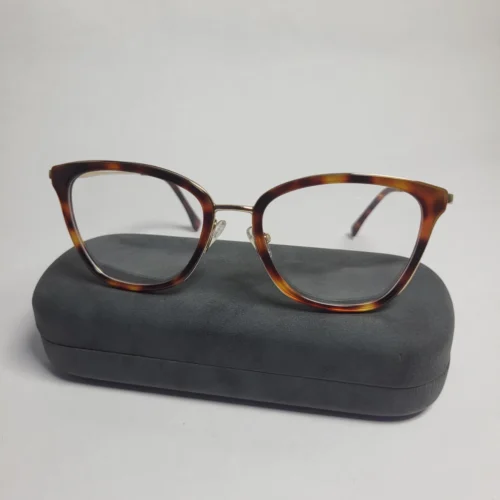
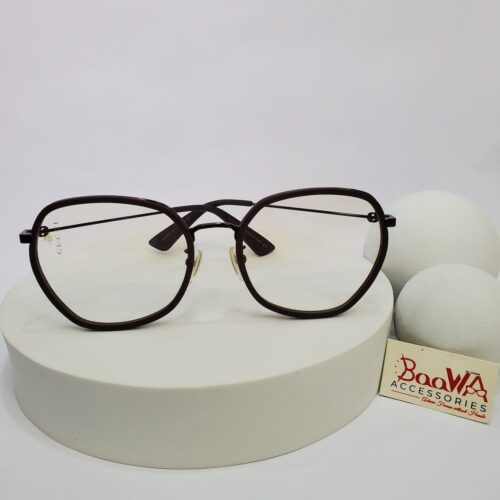
Your signature look is just a click away. Before you go, take a look at these exclusive markdowns on our top-rated wristwatches and designer eyewear.
Premium quality doesn't have to break the bank. Secure your favorite accessories today with safe bank transfers and reliable delivery across all 36 states in Nigeria.
Photochromic glasses Nigeria buyers ask about are a single pair that switches between clear indoor lenses and tinted sunglasses when you step outside. They darken in sunlight and clear up again in the shade, which sounds like magic but is just a careful piece of chemistry on the lens.
Blue cut adds a second layer of help. The lens filters part of the high-energy blue light that comes off phone screens, laptops, and harsh LED bulbs.
Put both features together and you get one pair that fits the way most Nigerians live: long screen hours indoors, bright sun on the commute, and a busy day in between. Here is what photochromic blue cut glasses really do, and how to tell if a pair is the right buy for you.
How Photochromic Glasses Nigeria Wearers Use Them Daily
Photochromic lenses hold tiny molecules that react to ultraviolet light. When UV hits the lens, the molecules change shape and absorb visible light, which is what you see as the lens turning grey or brown. Step back into the shade and the molecules relax, the colour fades, and the lens turns clear again. The whole cycle takes about thirty seconds to two minutes depending on the temperature and the lens technology. You can see the full range of photochromic blue cut glasses in our catalogue if you want to feel how the change looks on real frames.
Blue cut works differently. The coating or the lens material itself reflects or absorbs part of the blue light that screens push out. You will notice less glare on a laptop and slightly warmer-looking colours on your phone. The result is easier reading sessions and less of the gritty tired feeling after a long video call.
Are They Worth It for Screen-Heavy Days
Most Nigerians spend more than six hours a day on screens once you add up work, social apps, and TV. That kind of exposure can lead to dry eyes, blurred focus, and a dull headache around the temples. The pattern is so common that eye doctors now call it digital eye strain. Our blue light glasses page goes deeper into the eye-strain side of the conversation if you only care about the screen part.
Photochromic blue cut glasses combine the screen filter with sun protection in one frame. You stop swapping between a clear pair and a pair of sunglasses through the day. For drivers, students, and anyone who works near a window, that single pair is easier to live with than two.
The science is still being argued. Read the research summary on blue light glasses for the full picture, and remember that comfort matters even when the studies are mixed.
What to Check Before You Buy
Lens material is the first thing to weigh. Polycarbonate and Trivex are light and impact resistant, which is what you want for daily wear, sport, and kids. Plastic CR-39 lenses are heavier but very clear. Most modern photochromic blue cut lenses use polycarbonate as a base because it accepts the photochromic dye well and is durable.
Coating quality matters next. A good anti-reflective coating cuts glare from headlights and street lamps at night. A hard coat on top stops the lens from scratching every time it lands on a desk. Cheap pairs skip these coatings and the lens turns hazy within months.
Photochromic vs Regular Blue Cut Glasses
A regular blue cut lens stays clear all day. It filters screen light but does nothing in the sun. You still need a separate pair of sunglasses or have to squint on the way to work.
A photochromic blue cut lens does both jobs. Indoors it looks like a normal clear lens. Outdoors it turns into a tinted sun lens with full UV protection. If you split your day between a desk and the road, you save money over buying two pairs. Our wider computer glasses selection shows the difference between a screen-only pair and a dual-purpose pair side by side.
Where Photochromic Glasses Fall Short
The biggest weak point is the car windshield. Modern windshields block most UV light, which is exactly what the lens needs to darken. Most photochromic lenses stay light or only partly tint while you drive in a closed car. You may still want polarised clip-ons or a dedicated pair of sunglasses for daytime driving. A clear explainer from the American Academy of Ophthalmology on transition lenses lays out this trade-off in detail.
Cold weather is the second issue. Lower temperatures make the lens darken more and clear more slowly. This is rarely a problem in Nigeria, but if you travel to colder regions, expect the lens to take longer to clear after coming inside.
The third caution is fade over years. After three to four years of heavy use, the chemistry slows down. The lens still works, but the speed and depth of the tint drop. Plan to replace the lens or the whole pair every few years, the same way you would for prescription glasses.
Are They Right for Prescription Wearers
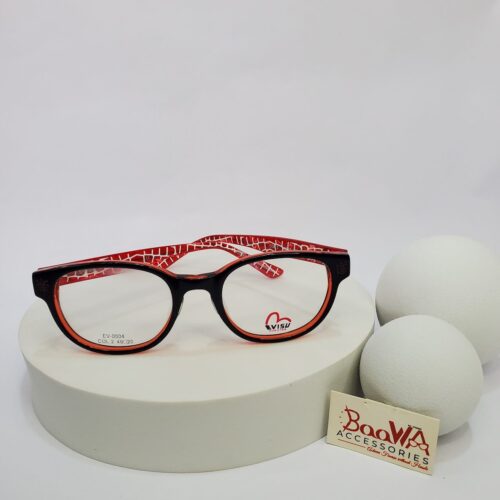
Yes, and they often make life easier. You can order the photochromic blue cut lens with your prescription baked in, which means one pair handles reading, walking outside, and screen time. The combined lens is a strong fit for office workers, students, and parents who do not want to keep track of multiple frames. The full prescription glasses page covers how the order process works at BaaWA, including the eye test step.
If your vision changes year to year, ask the optician for a lens that can be re-prescribed without changing the frame. That keeps the photochromic shell and only the inner lens needs to be swapped.
Cost and Lifespan Notes
A quality photochromic blue cut lens costs more than a plain prescription lens. The extra cost covers the photochromic chemistry, the blue cut coating, and a hard coat to keep both layers intact. Most wearers find that the higher upfront price still works out cheaper than buying clear glasses, prescription sunglasses, and a separate computer pair.
Expect a useful life of three to four years for the photochromic effect. After that the lens still corrects your vision, but the tint may darken less in bright sun. Frame metals and acetates tend to last longer than the lens, so a re-lens is the usual upgrade path rather than a full new pair.
Caring for Your Pair the Right Way
Photochromic lenses are no harder to clean than regular lenses. Rinse the lens under cool tap water before any wiping, then dry with a clean microfibre cloth. Skip paper tissues, shirt sleeves, and rough fabrics because they grind dust into the coating and leave fine scratches.
Heat is the real enemy of any coated lens. Do not leave your glasses on a car dashboard or near a kitchen flame. Sustained heat above sixty degrees Celsius can crack the coating and shorten the life of the photochromic dye. A hard case in your bag protects against both heat and impact during the daily commute.
Wrap-up
For most Nigerian wearers, photochromic blue cut glasses are a smart single-pair upgrade. You get screen comfort indoors, real sun protection outside, and one frame to manage instead of two. If you drive a lot during the day, keep a backup pair of true sunglasses for the road. Otherwise, browse the full range of photochromic blue cut glasses and pick the frame shape that suits your face and your daily routine.